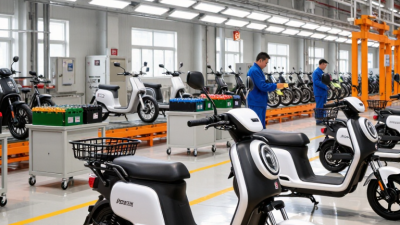
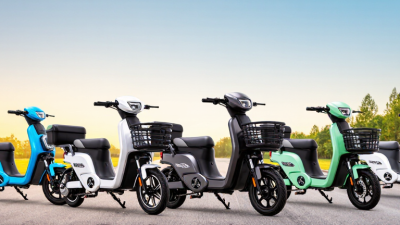
China Top Electric Mini Trike Suppliers for Global Buyers
China has become a major manufacturing base for compact electric mobility products. According to the International Energy Agency’s Global EV Outlook 2024, global electric car sales approached 14 million units in 2023. That figure excludes many low-speed vehicles, including electric three-wheelers. The broader trend remains clear. Buyers want practical, lower-cost transport.
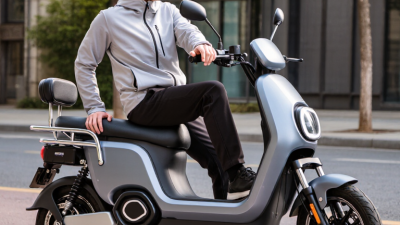
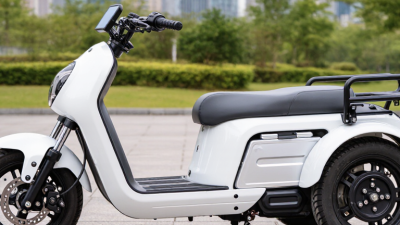
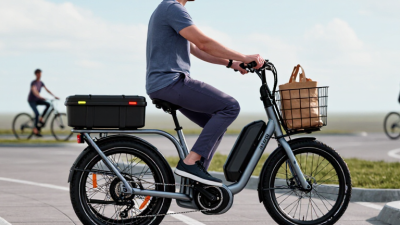
An Electric Mini Trike can serve delivery routes, campus operations, tourism areas, and neighborhood logistics. Its small turning radius is useful on crowded streets. Battery size, payload, braking performance, and weather protection still vary widely between suppliers. That difference matters more than polished catalog images.
This guide examines leading Chinese suppliers for global buyers. It considers factory experience, export capability, customization, quality control, and after-sales support. Supplier evidence should include test records, production photos, component specifications, and verifiable customer references. UN Comtrade data can also help buyers review trade patterns by product category, although three-wheelers are not always classified consistently.
Look beyond the lowest quotation. A cheaper motor may increase climbing problems. A weak controller can create downtime. Battery documentation deserves careful review.
No ranking stays permanent. Supplier capacity, certification readiness, and component sourcing can change quickly. This introduction therefore treats “top supplier” as a practical purchasing judgment, not a permanent label. Industry reports provide useful direction, but direct factory audits remain important. A spreadsheet cannot show welding quality, cable protection, or how firmly a seat is mounted. Real evaluation needs both data and experience.
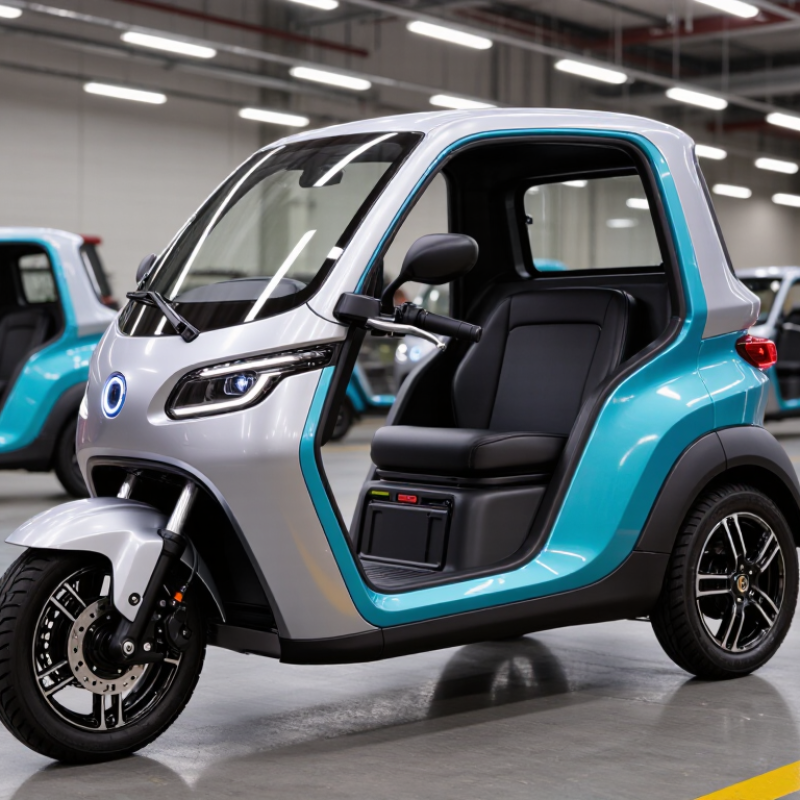
China’s Electric Mini Trike Market: 2023 NEV Sales Reached 9.495 Million Units
China Top Electric Mini Trike Suppliers for Global Buyers
China’s electric vehicle market reached 9.495 million new energy vehicle sales in 2023. This figure shows strong manufacturing capacity and growing consumer acceptance. It does not represent electric mini trikes alone. Buyers should avoid treating national sales data as a guarantee of product quality. Market scale matters, but practical testing matters more.
Electric mini trikes serve delivery work, neighborhood transport, small farms, and urban logistics. Their compact frames can navigate narrow streets and reduce parking pressure. When evaluating Chinese suppliers, inspect battery specifications, motor output, braking performance, charging time, and load capacity. Ask for test reports, factory records, warranty terms, and export experience. A reliable supplier should explain performance limits clearly. Vague answers deserve caution. A sample vehicle may reveal vibration, weak welding, or uncomfortable controls that photographs hide.
Tips: Compare at least three suppliers. Request a complete parts list. Confirm voltage and charging compatibility before ordering. Check packaging strength for long-distance shipping. Review after-sales support in writing. Remember, the cheapest quotation can become expensive after repairs, spare parts, and delays. Some buyers focus too heavily on appearance; that is an easy mistake. Real roads are less forgiving.
Electric Mini Trike Types: 48–72 V Batteries, 1–5 kW Motors, and Key Uses
Electric mini trikes from China commonly use 48–72 V battery systems and 1–5 kW motors. Each combination serves a different working condition. A 48 V battery suits short urban trips, light cargo, and lower-speed delivery routes. It usually keeps purchase and maintenance costs manageable.
A 60 V system offers a practical middle ground for small warehouses, campuses, and neighborhood transport. With a 2–3 kW motor, it can handle moderate loads without excessive energy use. A 72 V battery supports longer routes, steeper roads, and heavier cargo. Motors from 3–5 kW provide stronger starting torque, but they may increase weight, charging time, and operating cost.
Match the trike to the job.
Global buyers should request battery chemistry, rated motor power, payload data, braking details, and charging specifications. Ask for test records under loaded conditions, not only empty-vehicle figures. Check frame welds, tire size, suspension travel, and waterproofing around the controller. These details affect daily reliability more than attractive photos.
One detail is easy to overlook: battery capacity alone does not define range. Temperature, road slope, cargo weight, and driving habits matter. A 72 V model is not automatically better. Some buyers choose excessive power and later regret the unused capacity. Supplier communication can also expose weaknesses when technical answers remain vague. Samples, inspection reports, spare-parts plans, and clear warranty terms deserve careful review before a large order.
Export Compliance: UN 38.3, IEC 62133, CE, and Battery Shipping Requirements
China Top Electric Mini Trike Suppliers for Global Buyers
Export readiness should be checked before comparing prices. The IEA Global EV Outlook 2024 reported that electric vehicle battery demand exceeded 750 GWh in 2023. This growth increases scrutiny of cells, packs, and transport documents. For mini trikes, request UN 38.3 test evidence for the complete battery type. A cell report alone may not be enough. The report should match the model, chemistry, configuration, and protection system. Paperwork matters.
IEC 62133 evidence can support battery safety evaluation, but its exact relevance depends on the battery design and application. Ask for the applicable edition and test scope. CE marking also requires a technical file, risk assessment, EU Declaration of Conformity, and relevant directives. It is not simply a laboratory sticker. Suppliers should identify machinery, electromagnetic compatibility, low-voltage, and battery obligations where applicable. Requirements may vary by vehicle design. That detail is easy to miss.
Tips:
Confirm battery model numbers across invoices, labels, test reports, and shipping papers. For air transport, follow current IATA Dangerous Goods Regulations and use certified packaging, labels, and shipper declarations. The IATA Lithium Battery Shipping Regulations remain a key reference for commercial shipments. Sea freight still requires accurate dangerous-goods documentation. Keep UN 38.3 test summaries available for logistics partners. One weak point remains: documents can be genuine but outdated. Recheck them before every major shipment.
Supplier Comparison: MOQ, OEM Capability, Warranty Terms, and Global Service Networks
China Top Electric Mini Trike Suppliers for Global Buyers
When comparing electric mini trike suppliers in China, MOQ often reveals their real production flexibility. Some factories accept small trial orders, while others require container-level quantities. Ask whether the MOQ changes for custom colors, batteries, or control panels. A lower MOQ may carry higher unit costs. That trade-off matters for market testing.
OEM capability should be checked through drawings, samples, and production records, not promises alone. Experienced suppliers can adjust frame dimensions, seat materials, lighting, and dashboard functions. Request a pre-production sample. It may expose weak welding, awkward controls, or limited battery space. Small details affect user trust. No supplier is perfect.
Warranty terms need precise wording. Confirm coverage periods for the motor, battery, controller, charger, and frame separately. Clarify labor costs, replacement procedures, and evidence required for claims. A reliable global service network should include spare-parts stock, technical manuals, remote diagnostics, and trained regional partners. Ask for response times in writing. A shared spreadsheet helps compare offers, but it can still mislead. Visit the factory when possible, inspect final testing, and speak with existing export customers. Service quality is often tested only after the first shipment.