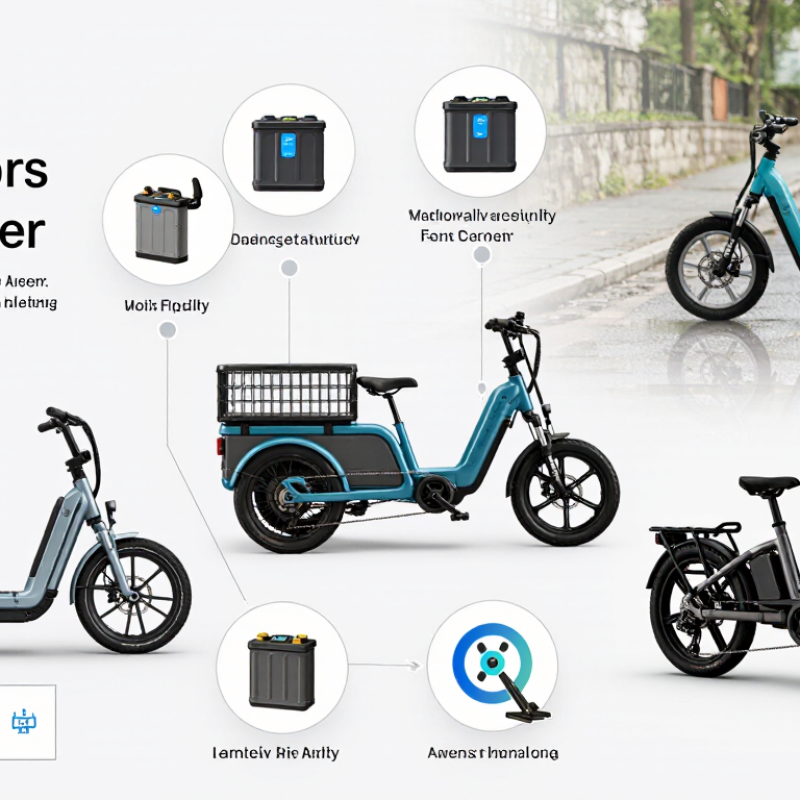
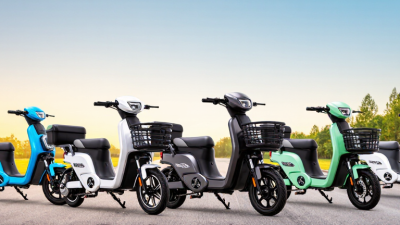
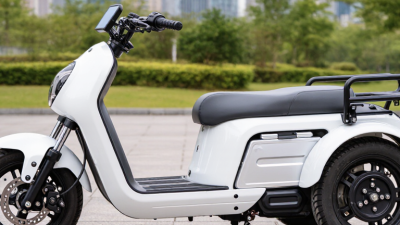
Choosing the right electric trike can change how adults travel, shop, exercise, and stay connected with their communities. In 2026, buyers face more options, including low-step frames, enclosed batteries, cargo baskets, front suspension, and pedal-assist systems. Yet attractive features do not always create a comfortable ride. A trike that feels stable in a showroom may handle differently on wet pavement, narrow paths, or steep neighborhood streets.
This guide explains how to evaluate Electric Trike Adults models through practical, evidence-based considerations. We will examine motor power, battery range, braking performance, turning stability, seat support, loading capacity, and maintenance access. Real riding experience matters here. A heavy rear basket can affect balance, while a high seat may make mounting difficult for some riders. Small details matter.
There is no perfect choice.
Reliable decisions should combine manufacturer specifications, independent reviews, warranty terms, and a careful test ride. Check whether the advertised range reflects realistic conditions, including rider weight, hills, temperature, and cargo. Ask about replacement batteries and local service support before purchasing. These steps may feel slower, but they can prevent expensive disappointment.
Personal needs should guide the final decision. Some adults need upright comfort and easy control. Others prioritize long-distance range or grocery-carrying space. Accessibility, confidence, and storage conditions deserve equal attention. This introduction prepares you to compare each feature honestly, recognize trade-offs, and choose a trike that fits daily life rather than merely looking impressive online.
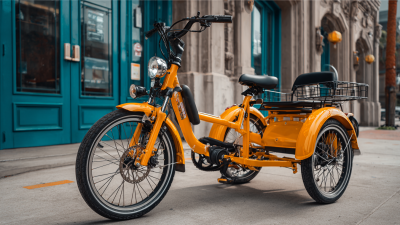
An electric trike is a three-wheeled cycle powered by pedaling and a rechargeable motor. Most models use pedal assistance, while some include a controlled throttle. The motor helps on hills, headwinds, and longer rides. A stable frame, wide saddle, and low step-through design can make mounting easier. Yet three wheels do not guarantee perfect balance. Turning quickly can shift the load, especially with a full rear basket. I learned this during a slow test ride. The trike felt steady until I cornered too sharply.
This vehicle is designed for adults who want more support than a bicycle provides. Older riders may appreciate upright seating and easier starts. People recovering from reduced strength may also value assisted pedaling, subject to professional advice. It can suit grocery trips, neighborhood travel, and quiet commuting. Families may choose one for carrying bags, tools, or a small pet in a secured carrier. Some riders need more. Narrow doors, steep storage ramps, and uneven paths can create daily problems.
When choosing, match the trike to the rider and route. Check seat height, handlebar reach, brake feel, battery removal, and maximum load. A practical test should include starting, stopping, reversing, and turning around a parked car. Test it loaded. Ask how far the battery travels under real conditions, not only laboratory figures. Local traffic rules may limit speed, throttle use, lighting, or road access, so verify them before purchase. Protective equipment, visible clothing, and a charged phone add sensible safeguards. I would not choose appearance first; comfort and controllability matter more after ten minutes on the road.
An electric trike is a three-wheeled bicycle equipped with a motor and rechargeable battery. It is designed for adults who want additional stability, easier balance, assisted cycling, or practical carrying capacity. The chart compares common U.S. e-bike speed classes that may help adults select an appropriate electric trike configuration.
Class 1 and Class 3 generally require pedaling for motor assistance, while Class 2 can provide motor assistance through a throttle. The speed limits shown are widely used U.S. e-bike class definitions; local laws, road access rules, helmet requirements, and age restrictions may vary.
For adults, an electric trike should feel steady before it feels powerful. A low step-through frame helps riders mount safely, especially with stiff knees or limited balance. Wide tires can improve confidence on uneven paths, but they may also make steering feel slower. A test ride reveals this better than a specification sheet.
Braking matters most when the trike carries groceries, camping gear, or a heavier rider. Choose responsive brakes, reliable lights, and clear controls that remain usable with gloves. Motor assistance should start smoothly, not jerk forward at a junction. A removable battery is convenient for apartment charging, while a realistic range estimate should consider hills, rider weight, temperature, and frequent stops. Advertised distance can be optimistic.
Comfort is not decoration. An adjustable saddle, upright handlebars, and a properly sized cargo area can prevent shoulder and back strain. Check the frame’s weight rating carefully, including cargo. I once focused too much on motor power and overlooked turning space; that mistake made narrow paths frustrating. Maintenance access also matters, since tires, cables, and battery connections need regular inspection. A short trial on slopes, rough pavement, and tight corners can expose weaknesses quickly. Take notes. Your ideal trike may be less fast, but easier to control every day.
| Feature | Priority | Practical Target for Adult Riders | Why It Matters | What to Check Before Buying |
|---|---|---|---|---|
| Low-Step Frame | Essential | Step-through entry with a low seat-over-frame height and no high top tube. | Reduces the need to lift a leg high and makes mounting and dismounting easier for riders with limited hip, knee, or balance mobility. | Measure the actual step-over height. Sit on the trike and confirm that both feet can reach the ground comfortably. |
| Stable Three-Wheel Geometry | Essential | Wide rear track, a low center of gravity, and a sturdy frame designed for the rider's total load. | Three wheels provide standing stability, but a trike can still tip during sharp, fast turns or on a side slope. | Test slow turns, tight corners, and stopping on a level surface. Do not assume that three wheels eliminate tipping risk. |
| Braking System | Essential | Two independently controlled brakes, with a parking brake or wheel-lock feature. | Reliable braking is especially important because electric assistance and cargo increase the moving weight. | Check that the levers are easy to squeeze, the brake cables or hydraulic lines are protected, and the parking brake holds the trike securely. |
| Motor Output | Essential | About 250–500 W nominal motor power for common paved-road use; more may be needed for steep hills or heavier loads where legally permitted. | Motor power affects hill climbing and acceleration, but real performance also depends on gearing, rider weight, tire pressure, and battery charge. | Look for nominal power, not only peak power. Confirm that the assistance level complies with local electric-bicycle regulations. |
| Pedal Assistance | Essential | Several assist levels with a smooth cadence or torque response and a clearly accessible control panel. | Adjustable assistance lets the rider conserve battery on flat ground and add support when starting or climbing. | Test starting from a complete stop. Assistance should engage progressively rather than causing a sudden surge. |
| Throttle Control | Useful | A controlled low-speed throttle, if permitted by local law and appropriate for the rider. | Can help when starting, maneuvering, or moving without full pedal strength, but excessive speed can reduce control. | Check whether the throttle is thumb-operated, easy to release, and limited to a comfortable speed for the intended riding environment. |
| Battery Capacity | Essential | Approximately 400–700 Wh for many daily trips; larger capacity may be useful for hills, cargo, cold weather, or long distances. | Battery capacity is measured in watt-hours (Wh). A higher Wh rating generally provides more stored energy, although actual range varies. | Calculate Wh as volts multiplied by amp-hours. Confirm battery availability, charging time, replacement cost, and whether it can be removed safely. |
| Realistic Riding Range | Essential | Choose a claimed range with a substantial reserve; practical range is often lower with hills, heavy loads, high assistance, cold temperatures, or frequent stops. | Published maximum ranges are commonly measured under favorable conditions and may not represent everyday adult riding. | Compare test conditions, rider/load assumptions, terrain, speed, and assist level. Plan to finish a trip without fully draining the battery. |
| Weight Capacity | Essential | Rated capacity should exceed the combined weight of the rider, cargo, accessories, and any trailer load. | Overloading can affect braking, steering, frame durability, tire performance, and stability. | Read the manufacturer's total-system rating rather than using rider capacity alone. Leave a reasonable safety margin. |
| Gearing and Hill Control | Essential for Hills | Multiple gears with a low enough gear for starts and climbs, plus gradual motor assistance. | Low gearing reduces pedal effort and helps the motor operate more effectively on inclines. | Test a hill start if possible. Make sure the shifter can be operated without removing a hand from a stable position. |
| Tire Size and Puncture Protection | Important | Wide, properly inflated pneumatic tires with a tread suited to the intended surface. | Correct tire pressure affects comfort, rolling resistance, steering response, and puncture risk. | Check the recommended pressure range, tire replacement availability, valve access, and clearance for fenders. |
| Seat and Riding Position | Essential | Adjustable seat position, supportive backrest when needed, and handlebars that do not force excessive reach. | A comfortable posture improves control and reduces strain during longer rides. | At the lowest pedal position, the knee should remain slightly bent. Confirm that the seat and handlebars can be adjusted without tools if possible. |
| Step-Through Load Access | Important | A rear basket, front basket, or pannier system with a load positioned low and centered. | Low, balanced cargo is less likely to interfere with steering or make the trike feel top-heavy. | Check the basket's weight rating and keep heavy items low. Avoid placing cargo where it blocks lights, brakes, or the rider's view. |
| Turning Radius and Steering | Essential | Predictable steering and a turning radius that fits the rider's garage, paths, doorways, and local routes. | Adult trikes are often wider and may require more space than a two-wheel bicycle, especially during low-speed turns. | Measure the overall width and practice reversing, turning around, and passing through the narrowest regular access point. |
| Lighting and Visibility | Essential | Front and rear lights, reflectors, reflective side details, and a bright rear-facing position. | Visibility helps other road users detect the trike, particularly at intersections, in shade, and during low-light conditions. | Confirm that lights are powered by the main battery or have a reliable charging method and remain visible with cargo installed. |
| Weather Protection | Important | Full fenders, chain protection, and water-resistant electrical enclosures. | Fenders help protect the rider and drivetrain from road spray, while sealed connectors reduce exposure to moisture. | Check the operating and storage instructions. Avoid deep water, pressure washing, and charging a wet battery. |
| Battery Safety and Charging | Essential | Original matched charger, protected battery mounting, clear charging instructions, and a battery management system. | Lithium-ion batteries require appropriate charging, storage, and handling to reduce the risk of overheating or damage. | Inspect the battery for swelling, cracks, impact damage, or unusual heat. Charge in a dry, ventilated area away from exits and flammable materials. |
| Controls and Display | Important | Large, readable controls showing speed, battery status, assistance level, and lighting status. | Clear information reduces distraction and helps the rider manage remaining battery power. | Verify that buttons can be identified by touch and used while wearing gloves. Avoid displays that are difficult to read in sunlight. |
| Foldability and Storage | Situation-Dependent | Folding capability only when transport or indoor storage requires it; otherwise prioritize frame strength and easy parking. | Folding designs can save space, but hinges and extra mechanisms may add weight or require additional inspection. | Measure the folded dimensions and weight. Confirm that the folded frame can be lifted or rolled safely by the intended user. |
| Serviceable Components | Essential | Replaceable brake pads, tires, tubes, cables, chain, and other standard wear parts. | Regular maintenance is necessary for safe braking, reliable steering, and long-term use. | Confirm access to qualified repair service and obtain a parts list, maintenance schedule, and warranty terms before purchase. |
| Safety Certification and Compliance | Essential | Documentation showing compliance with the safety and road-use requirements applicable in the rider's region. | Rules for motor power, assisted speed, throttles, lighting, helmets, and road access differ by location. | Check the applicable local regulations and request verifiable safety documentation rather than relying only on marketing claims. |

Choosing an adult electric trike starts with fit, not motor power. Measure your inseam and check the seat’s lowest height. Your feet should touch the ground comfortably when stopped. Leave room for a helmet and winter clothing. A wide frame can feel stable, but it may be difficult inside a narrow garage. The U.S. Consumer Product Safety Commission continues to emphasize safe charging and certified battery systems in its e-bike safety guidance.
Motor choice depends on hills, rider weight, and cargo. For flat streets, a 500–750-watt system usually provides practical assistance. Steep roads need higher torque, not only a larger wattage number. Test the trike from a complete stop. It should accelerate smoothly without jerking. A 2023 PeopleForBikes market overview reported more than one million e-bikes sold in the United States during 2022, showing broad adoption but not identical user needs.
Battery capacity is measured in watt-hours. Voltage multiplied by amp-hours gives the approximate capacity. A 500 Wh battery may deliver roughly 25–50 miles, depending on hills, wind, temperature, tire pressure, and load. That range is not guaranteed. The International Energy Agency reported a 14% decline in lithium-ion battery pack prices during 2023, yet a cheaper battery may still have weaker cells or limited warranty support. I would choose at least 30% more claimed range than my daily route requires. My own mistake was trusting a display estimate during cold weather. It was optimistic.
Safety should feel practical, not decorative. Check whether the trike has dependable brakes, bright front and rear lights, reflectors, and a clear horn or bell. A stable, wide stance helps, but it can make narrow paths difficult. Test the turning radius near a doorway or parked car. The battery should sit securely, with protected wiring and an easy-to-read charge indicator. Ask for documented safety testing and clear maintenance instructions. Local riding rules may differ, so verify them before purchase.
Comfort affects control during longer rides. Look for an adjustable seat, supportive backrest, padded grips, and pedals that match your leg length. Large pneumatic tires can soften rough pavement, although they need regular pressure checks. Try starting, stopping, and reversing slowly. Can you reach every control without leaning? Is the display readable in sunlight?
I once underestimated seat height; getting on was easy, but placing both feet down felt awkward. That small detail matters.
Choose a step-through frame, low loading height, and a parking brake if balance is limited. Check the trike’s total weight before using a ramp or lifting it into storage. Leave enough space for your shoulders and mobility aid, if needed. Test it with the intended basket load, because handling may change. Do not rely only on a short showroom ride. A quiet street, gentle slope, and tight turn reveal more. Also consider whether another person can adjust the controls safely.
2026 How to Choose an Electric Trike for Adults?
Compare the full cost, not only the purchase price. A cheaper electric trike may have a smaller battery, weaker brakes, or limited adjustment options. Ask for the battery replacement price, charger cost, and warranty coverage. These details can change the real budget within three years.
A test ride reveals practical problems that specifications often hide. Check whether the frame feels stable when turning slowly. Notice how easily you can reach the brake levers and display. Maintenance usually includes tire pressure, brake adjustment, chain lubrication, and battery care. Confirm whether common parts are easy to obtain locally. That matters.
Long-term value depends on daily use. A larger battery may cost more, but it can reduce charging stress for longer commutes. However, extra weight can make storage and lifting difficult. I used to focus too heavily on range claims. Real performance also depends on rider weight, hills, temperature, and cargo. This is easy to overlook. Compare service intervals, repair labor, and expected battery life before deciding. Keep written records of maintenance and charging habits. They help identify unusual performance changes early. A sensible choice should remain comfortable, repairable, and affordable after the excitement of purchase fades.