
head_banner

How to Choose an Electric Mini Trike in 2026?

Choosing an Electric Mini Trike in 2026 requires more than comparing prices and bright specifications. A suitable model must match your routes, body position, storage needs, and charging habits. A short test ride can reveal problems that a product page hides. Pay attention to steering effort, brake reach, frame stability, and the distance between the seat and pedals.

Richard Thorpe, founder of Gocycle and an experienced electric bicycle designer, once said, “The bicycle is the most efficient form of transport on the planet.” His point remains useful here. Efficiency is not only about battery range. It also includes comfortable handling, practical weight, reliable components, and energy use on real streets. A small trike may feel stable on smooth pavement but awkward beside a steep curb. That difference matters.

This guide examines motor output, battery capacity, charging time, wheel size, suspension, safety equipment, and after-sales support. It also considers rider height and carrying requirements. Some claims deserve skepticism. A larger battery is not automatically better. A powerful motor can increase weight and reduce simplicity. I have seen buyers focus on range numbers, then struggle with tight turns or difficult lifting. That mistake is easy to make. The best Electric Mini Trike is not necessarily the fastest or most expensive model. It is the one that performs predictably during your ordinary journeys, including inconvenient ones.
How to Choose an Electric Mini Trike in 2026?

Electric Mini Trikes: Definition, Main Types, and Common Uses

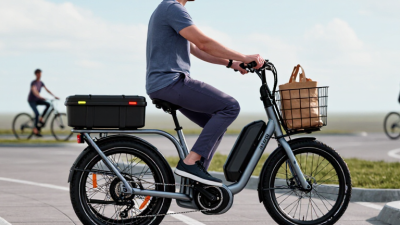
Electric mini trikes are compact, three-wheeled vehicles powered by rechargeable batteries. They usually have one front wheel and two rear wheels, although reverse layouts exist. Compared with full-size electric trikes, they need less storage space and feel easier to handle at low speeds. In 2026, choosing one should begin with purpose, not appearance. Narrow driveways reveal practical differences quickly.

Types differ by frame, seating, and cargo design. Passenger mini trikes often use padded seats, backrests, and modest suspension for short neighborhood trips. Cargo versions add a rear basket, platform, or covered box for groceries and tools.

Foldable models suit apartments, but their smaller wheels can feel nervous on broken pavement. Some utility trikes offer a lower step-through frame for riders with limited mobility. Stability still depends on weight distribution.

Common uses include local commuting, shopping, campground travel, and moving light equipment around private property. Check battery capacity against your real route, including hills, cold weather, and the return trip. A comfortable speed is more valuable than a dramatic top-speed claim. I once underestimated handlebar width and struggled through a narrow gate.

Measure doors and storage areas before ordering. Also inspect brakes, lights, tire quality, load limits, and charging instructions. Specifications can look precise, yet rider comfort remains partly personal.
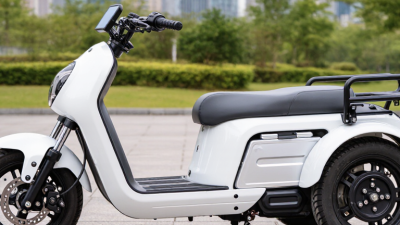
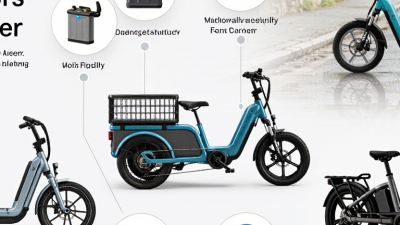
Assess Your Riding Needs, Terrain, Range, and Passenger Requirements

How to Choose an Electric Mini Trike in 2026?

Assess Your Riding Needs, Terrain, Range, and Passenger Requirements

Choosing an electric mini trike starts with your daily routine, not its appearance. Think about grocery trips, short commutes, storage space, and parking conditions. Measure your doorway and storage area before visiting a dealer. A few centimeters can change everything.

Your terrain matters. Flat pavement needs less motor effort than steep streets, loose gravel, or frequent ramps. Check the motor’s climbing ability, brake design, tire width, and ground clearance. A firm seat and adjustable handlebars can reduce discomfort during longer rides. Take a real test ride. Slow turns reveal stability better than a showroom lap.

Range estimates often assume light loads and ideal weather. Cold temperatures, hills, tire pressure, and frequent stops can reduce usable distance. Leave a practical reserve instead of planning around the advertised maximum. My first calculation would be too optimistic. Recheck it with your heaviest expected load. If you carry a passenger, confirm the approved seating capacity, weight limit, footrest position, and frame balance. Two people also require stronger braking control and more room to turn. Ask how the battery charges, how long it takes, and whether replacement support is available. Inspect the controls yourself. Clear displays and simple switches matter when your hands are cold or visibility is poor.

Compare Motor Power, Battery Capacity, Stability, and Weight Limits

How to Choose an Electric Mini Trike in 2026?

Motor power should match your route, not your ego. A 500-watt motor may handle flat streets comfortably. Steep hills, loose gravel, and heavier loads require stronger torque. Check continuous power, not only the advertised peak figure. A practical test includes a slow hill start with the intended rider and cargo. It should move without jerking or overheating. That matters.

Battery capacity is measured in watt-hours. Multiply voltage by amp-hours to verify the claim. For example, a 48-volt, 15-Ah battery stores about 720 Wh before real-world losses. Cold weather, hills, tire pressure, and rider weight reduce range. The IEA’s Global EV Outlook 2024 reported that electric-vehicle battery demand exceeded 750 GWh in 2023. This growth does not guarantee every small battery is reliable. Ask for cycle-life information, cell protection details, and a clear charging procedure.

Stability deserves equal attention. A low seat, wide rear track, strong brakes, and limited steering play can reduce wobble. Test cornering slowly, especially with a basket loaded. The U.S. Consumer Product Safety Commission estimated 233,870 emergency-department-treated injuries involving micromobility products from 2017 through 2022. Those figures are not specific to mini trikes, but they reinforce careful handling. Check the combined rider-and-cargo limit. Keeping at least a modest safety margin is sensible, although manufacturers calculate limits differently. I would not choose the lightest frame automatically. Weight improves portability, yet an overly light trike can feel nervous on uneven pavement. Test it unloaded. Then test it loaded.

How to Choose an Electric Mini Trike in 2026? - Compare Motor Power, Battery Capacity, Stability, and Weight Limits

Mini Trike Profile Rated Motor Power Battery Capacity Typical Real-World Range Maximum Speed Wheel Layout and Stability Maximum User Weight Trike Weight Best Suited For
Compact City Model 250 W 36 V, 10 Ah
360 Wh
15–25 km 20–25 km/h Two rear wheels;
good low-speed stability
100 kg 20–25 kg Short urban trips, storage in small apartments, and level pavements
Everyday Commuter Model 350 W 36 V, 13 Ah
468 Wh
20–35 km 25 km/h Two rear wheels with a wide track;
stable for daily riding
120 kg 25–30 kg Commuting, shopping, paved cycle paths, and moderate distances
Long-Range Comfort Model 500 W 48 V, 15 Ah
720 Wh
30–50 km 25–32 km/h Wide rear axle, low center of gravity,
high stability
150 kg 30–38 kg Longer rides, larger riders, mild hills, and frequent errands
Hill-Focused Model 750 W 48 V, 20 Ah
960 Wh
30–45 km 25–32 km/h Wide three-wheel stance and stronger braking;
stable on inclines
160 kg 35–45 kg Hilly neighborhoods, heavier loads, and riders needing stronger hill performance
Cargo-Oriented Model 500–750 W 48 V, 20 Ah
960 Wh
25–45 km 25 km/h Long wheelbase, wide rear track,
best stability with a balanced load
150 kg rider
plus 30–60 kg cargo
40–55 kg Groceries, delivery tasks, equipment transport, and utility use
Folding Travel Model 250–350 W 36 V, 10–13 Ah
360–468 Wh
15–30 km 20–25 km/h Compact three-wheel base;
stable when stationary and at low speed
100–120 kg 22–30 kg Car trunks, public transport connections, indoor storage, and flat routes
Buying note: Range figures are practical estimates for a charged battery on mostly paved, level routes with moderate speed. Rider weight, cargo, hills, temperature, tire pressure, wind, and stop-and-go riding can reduce range. Check local regulations for permitted speed, motor rating, lighting, and road use before purchasing.

Check Safety Features, Comfort Design, Controls, and Accessibility

How to Choose an Electric Mini Trike in 2026?

Choosing an electric mini trike starts with safety, not speed. Look for responsive brakes, bright front and rear lights, reflectors, and a strong parking brake. A low center of gravity can reduce tipping on tight turns. Check the frame for firm welds and inspect the tires for deep, even tread. Verify the vehicle’s safety certification and read independent test reports when available. Do not trust attractive product photos alone.

Comfort affects control during real journeys. A wide, supportive seat should keep your hips steady without creating pressure points. Adjustable handlebars can help users with different arm lengths. Consider suspension, footrest position, and weather protection. A rough sidewalk will expose weak design quickly. Try sitting for ten minutes. That small test matters.

Controls should be simple enough for tired hands or limited vision. Choose clear symbols, tactile buttons, and a display with readable contrast. A gradual throttle is safer than a sudden response. Test forward, reverse, braking, and speed settings in an open area. Accessibility also includes easy charging, a manageable step-over height, and enough room for mobility aids nearby. I once underestimated handlebar reach, and my wrists hurt after a short ride. That mistake changed my checklist. No checklist catches everything, so ask a qualified dealer or technician to inspect the trike before regular use.

Evaluate Charging, Maintenance, Warranty, Price, and Legal Requirements

How to Choose an Electric Mini Trike in 2026?

An electric mini trike should fit your daily route, not just your driveway. During a short test ride, check turning stability, braking control, and visibility beside parked cars. Check the fit. Ask for the battery’s usable capacity, charging time, and expected cycle life. A household outlet may be enough, but confirm voltage, plug type, and indoor charging guidance. Never charge a warm, damaged, or swollen battery. Range claims can shrink in cold weather, hills, heavy loads, or frequent stops. Leave a practical buffer instead of planning every trip around the maximum figure. I once underestimated storage needs; a basket that looked generous could not hold groceries and a rain cover.

Tips: Request a written maintenance schedule. Check tire pressure, brake wear, lights, steering joints, and fasteners regularly. Ask whether replacement parts remain available after the warranty ends. Read warranty exclusions carefully. Water damage, misuse, and ordinary wear may not qualify. Price includes more than the trike. Add charging equipment, insurance, registration, servicing, and possible battery replacement.

Before paying, verify the vehicle’s legal classification in your area. Rules may cover age, helmet use, lighting, mirrors, speed limits, road access, registration, and insurance. Requirements can differ between public roads, cycle paths, and private property. Obtain the safety certificate and owner’s manual, then compare the serial number with the paperwork. A seller’s verbal promise is useful, but written terms are safer. If the ride feels unstable, noisy, or difficult to control, pause the purchase. Cheap can become expensive quickly.