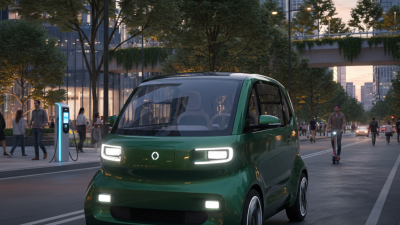
How to Choose the Best Electric Tricycle for Your Needs?
Choosing the right electric tricycle can be a daunting task. Many options fill the market, and features can vary greatly. Finding the best tricycle for electric use depends on individual needs and preferences.
When selecting a tricycle for electric rides, consider your daily routines. What distances do you travel? Do you face hilly terrain? These factors influence your choice. The right battery life and motor power are crucial. Some models may look appealing but lack necessary features.
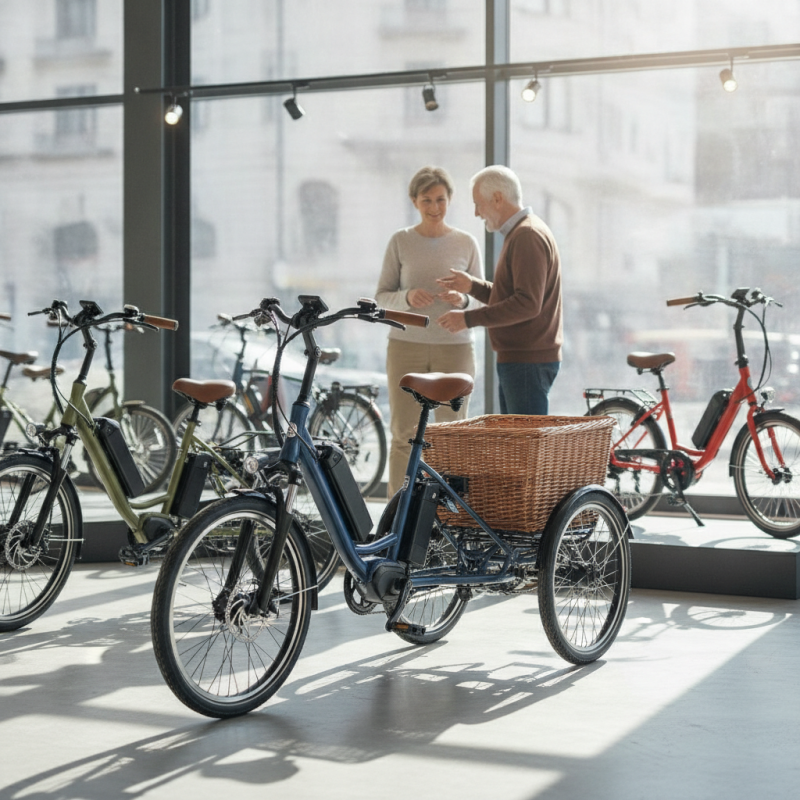
Reliability and comfort should not be overlooked. Test rides often reveal important details about handling and stability. Look for options that offer adjustable seats for a personalized fit. Don’t hesitate to ask for expert opinions or customer reviews, as they can guide your selection process. Remember, the goal is not just a purchase but finding the perfect match for your lifestyle.
Understanding Your Requirements for an Electric Tricycle
When choosing an electric tricycle, understanding your requirements is essential. Think about your daily activities. Will you use it for commuting, errands, or leisure? Each scenario requires different features. For instance, if commuting, focus on speed and battery range. For leisurely rides, comfort and storage might take priority.
Weight capacity is another critical factor. Consider who will ride it. If you intend to carry a passenger or groceries, look for a model with higher weight limits. Explore features like adjustable seats and handlebars. These can enhance your enjoyment and overall experience.
Ride quality matters too. Test different models to feel how they handle rough terrain or steep hills. Ensure it meets your comfort needs. Reflection is key here: assess your test rides.
Did you feel secure? Were any features lacking? Your preferences will shape your final choice.
Evaluating Different Types of Electric Tricycles Available
When evaluating different types of electric tricycles, consider several factors. The first is the design. Some tricycles are built for leisure, while others cater to commuting needs. Do you want a comfortable seat or one designed for speed?
Next, think about the motor and battery specifications. A powerful motor can handle steep hills. A long-lasting battery ensures you can travel farther without recharging. Check the average range of the tricycle to avoid running out of power unexpectedly.
Also, reflect on the comfort and stability features. A wider wheelbase offers better stability. Look for adjustable seats to accommodate different riders. Think carefully about your specific needs and preferences. Consider test-riding several models. It might help clarify your requirements. While reviews can guide you, personal experience is invaluable.
Electric Tricycle Types and Their Popularity
Assessing Key Features for Performance and Comfort
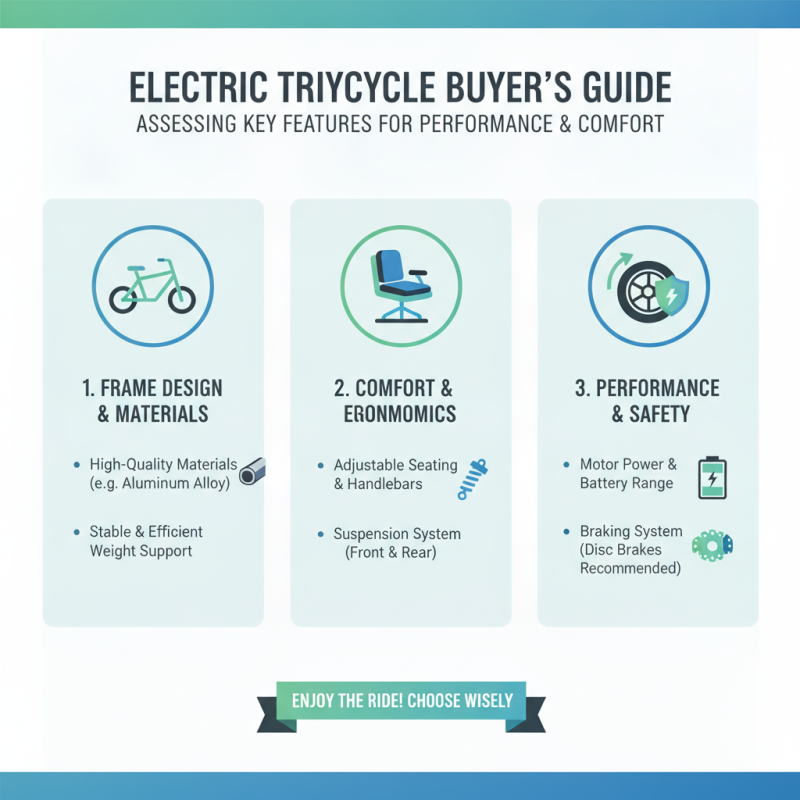
Choosing the right electric tricycle goes beyond aesthetics. Key features can ensure both performance and comfort for an enjoyable ride. One of the first factors to consider is the frame design. High-quality materials provide stability. A well-designed frame can support weight efficiently, enhancing safety.
Next, assess the battery capacity. A higher capacity often means a longer range. However, heavier batteries can impact maneuverability. It’s essential to find a balance. Also, consider the motor power. A powerful motor ensures smooth acceleration. This is crucial for navigating varying terrains.
Finally, examine the seating. Comfort should not be overlooked. A well-padded seat can make long rides enjoyable. Simple adjustments, like seat height, add convenience. Personal preferences matter here as well. Don't underestimate the importance of handlebars. They should be adjustable, ensuring a natural riding position. Reflect on how each of these features aligns with your needs.
Considering Budget and Price Range for Your Electric Tricycle
When purchasing an electric tricycle, budgeting is crucial. The price range can vary significantly. Basic models may start around $600, while high-end options can exceed $3,000. Assessing your own financial limits is essential before diving into the purchase.
Consider what you need from the tricycle. If you plan to use it for casual rides, a budget option may suffice. However, if you require durability for daily commutes, investing in a higher-priced model could save you money in the long run. The risk of repairing cheaper models often outweighs the initial savings.
Examine additional costs beyond the purchase price. Maintenance, insurance, and charging equipment can add up. A tricycle that appears affordable may come with hidden expenses. Reflecting on long-term value versus immediate cost can help you make a more informed choice. Not every decision will be perfect, but careful consideration of your budget will lead to better satisfaction with your tricycle choice.
Examining Customer Reviews and Ratings for Informed Choices
When selecting an electric tricycle, customer reviews play a crucial role. Details from a 2022 industry report show that 78% of buyers refer to online ratings before making a purchase. Positive feedback often highlights comfort, durability, and battery life. For instance, users frequently mention their satisfaction with long-range batteries, typically providing up to 50 miles per charge. Many tricycles feature adjustable seats, enhancing the ride experience. However, some users express concerns about weight limits and storage options, reflecting a need for more comprehensive product specifications.
Analyzing both positive and negative reviews can be enlightening. A significant portion of users, around 65%, report challenges with assembly. They emphasize the importance of clear instructions. Furthermore, while some riders appreciate the stability of three-wheel designs, others note the need for tighter turning angles on certain models. Understanding customer expectations and their concerns will significantly aid your purchasing decision.
The 2023 market analysis indicates that electric tricycles are growing in popularity, especially among commuters and seniors. Many customers appreciate the eco-friendly aspects of these vehicles. However, potential buyers should not ignore the mixed reviews regarding maintenance and repair services. Evaluating feedback based on real experiences can lead to a well-informed decision.
How to Choose the Best Electric Tricycle for Your Needs?
| Model |
Customer Rating |
Number of Reviews |
Battery Life (miles) |
Weight Capacity (lbs) |
Price ($) |
| Tricycle A |
4.5 |
120 |
30 |
300 |
800 |
| Tricycle B |
4.2 |
85 |
25 |
250 |
600 |
| Tricycle C |
4.7 |
200 |
40 |
350 |
950 |
| Tricycle D |
4.0 |
50 |
20 |
200 |
500 |