
Choosing the best 2026 Trike For Adult is not simply a matter of comparing prices or counting gears. Global buyers need a practical match between rider comfort, road conditions, storage needs, and local regulations. A well-designed adult tricycle should feel stable at low speed, remain predictable during turns, and offer reliable braking on wet streets. Those details matter more than impressive advertising.
Real-world testing should examine the frame, saddle height, handlebar reach, wheel size, and loading capacity. A step-through frame can help riders with limited mobility. A wide rear axle may improve balance, but it can make narrow doors difficult to pass. Mechanical disc brakes are easier to service in some regions, while hydraulic systems may provide smoother control. Small differences become obvious after several kilometers.
There is no single best model for every buyer. Some riders prioritize a front basket for groceries. Others need electric assistance for hills, long commutes, or heavier cargo. Battery range can change sharply with rider weight, temperature, tire pressure, and road slope. Buyers should also confirm replacement-part access, warranty terms, charger compatibility, and recognized safety certifications. These checks are less exciting. They are often more important.
This guide compares leading options through comfort, stability, durability, maintenance, and value. The recommendations reflect practical ownership concerns, not only laboratory specifications. However, product availability and regulations may change during 2026. Some conclusions may age poorly. That possibility deserves honest attention. A careful buyer should verify final specifications before ordering internationally.
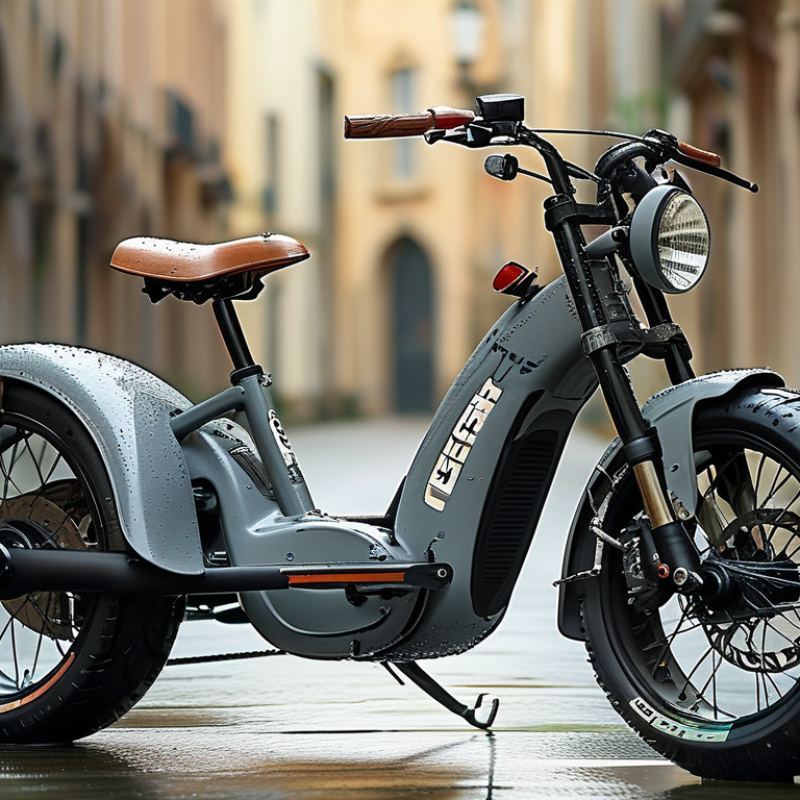
An adult trike is a three-wheeled cycle built for everyday riders, commuting, errands, or recreational travel. Unlike a bicycle, it uses two rear wheels or two front wheels for added stability. The frame supports a saddle, pedals, handlebars, brakes, and often a cargo platform. Its lower center of gravity can feel reassuring when stopping or loading groceries. Not perfectly stable, though.
Pedaling turns the crank, which drives a chain toward the rear axle. Some models use a differential, allowing each rear wheel to rotate at a different speed during turns. Others use a simpler solid axle, which may scrub the tires on tight corners.
Steering geometry matters greatly. A wide turning circle can feel awkward near shop entrances or narrow paths. Electric versions add a battery, motor, controller, and pedal-assist sensor. Assistance normally stops when pedaling stops, but regional requirements differ.
The World Health Organization’s Global Status Report on Road Safety 2023 records about 1.19 million annual road deaths. It also identifies cyclists, pedestrians, and motorcyclists as vulnerable road users. This makes braking quality, lighting, reflectors, tire grip, and rider visibility practical buying priorities. The U.S. Consumer Product Safety Commission’s bicycle safety guidance also stresses helmet use, maintenance, and reliable brakes. For global buyers, “best” is an imperfect label. A stable cargo trike may suit market runs, while a narrower model may work better on shared paths. Test the turning radius, parking width, seat adjustment, and loaded braking before purchase. Datasets rarely capture these small daily frustrations.
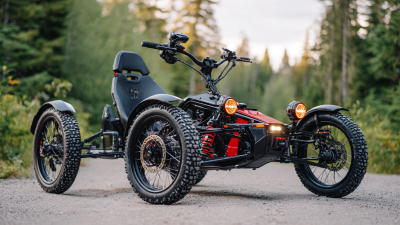
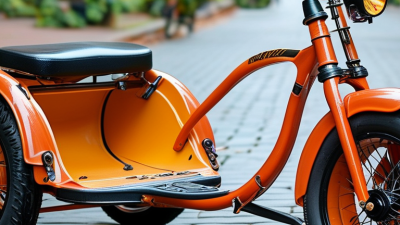
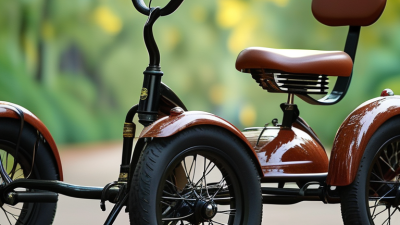
Adult trikes in 2026 fall into several practical categories, each serving a different rider. The classic upright delta trike has two rear wheels, a low step-through frame, and a large rear basket. It suits relaxed rides, shopping, and riders who value balance at low speeds. A tadpole recumbent places two wheels in front and one behind. Its lower seat improves cornering confidence, although getting up can feel awkward.
Electric-assist trikes add a motor, battery, and controller to either design. The International Energy Agency’s Global EV Outlook 2024 identifies electric two- and three-wheelers as a major electrification segment, especially in urban markets. Buyers should check battery capacity, motor location, brake performance, and real-world range, not only advertised numbers. A cargo trike extends the rear platform or front box for groceries, tools, or small deliveries. Folding versions save apartment space, but their smaller wheels may feel less stable on broken pavement.
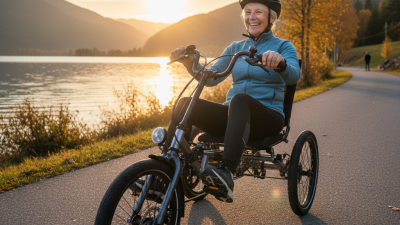
Handcycles and adaptive recumbent trikes support riders with limited leg strength. They require careful fitting, especially around crank reach and transfer height. The United Nations reports that one in six people worldwide will be over 65 by 2050, increasing demand for accessible personal mobility. The World Health Organization also reports that 31% of adults are insufficiently physically active. These figures support broader trike adoption, but they do not guarantee a suitable purchase. One weakness remains: published range tests often use smooth roads and light riders. A short outdoor trial reveals more.
For global buyers, the best adult trike is not simply the largest or cheapest model. It should feel stable on a narrow path, with a low step-through frame, wide pneumatic tires, and a firm, adjustable saddle. A reliable braking system matters more than extra accessories. Hand brakes should stop smoothly, even with a loaded rear basket. Gears should support both gentle hills and slow starts. ISO 4210 bicycle safety requirements offer a useful technical reference, although local standards may differ.
The World Health Organization’s Global Status Report on Road Safety 2023 reports 20–50 million non-fatal road injuries each year. This makes visibility and control practical priorities. Look for front and rear reflectors, a bright lighting system, strong wheel spokes, and a parking brake. Check the published load rating, including the rider, cargo, and battery if fitted. Frame corrosion protection also matters in coastal or rainy regions. A perfect trike probably does not exist.
Tips: Test the turning radius beside a curb. Sit on the saddle and reach the brake levers comfortably. Push the trike backward with the parking brake released. Watch for frame flex, wheel wobble, or awkward pedal reach. Ask about spare tubes, replacement brake parts, assembly instructions, and service support in your country. Some buyers focus too much on motor power; that can be a mistake. For many adults, predictable handling, easy mounting, and a comfortable upright position are more valuable every day.
For 2026 buyers, the best adult trike depends on riding purpose, not appearance. A daily commuter needs predictable handling, comfortable seating, and reliable braking. A cargo rider should inspect the rear platform, load rating, and frame reinforcement. Recreational riders may prefer a lighter design with easier steering. Define the route first. Flat streets and steep village roads demand different gearing.
During a real test ride, check whether the trike tracks straight when you release the handlebars briefly. It should not wander. Test the turning radius near a narrow gate or parked car. Wide rear wheels improve stability, but they also require more storage space. Small wheels can feel responsive, while larger wheels often roll more smoothly over uneven pavement.
Fit matters more than many buyers expect. Adjust the seat, handlebars, and pedal position before comparing prices. Confirm that both brakes work evenly and that replacement parts are available in your region. Ask about assembly instructions, packaging protection, warranty handling, and service response times. A low price can become expensive after international shipping. I would also check the trike’s weight before ordering. Moving it up three steps may change your decision. Some product specifications appear precise, yet real comfort still depends on body size, road texture, and riding confidence.
Choosing the best adult trike starts with the rider, not the catalogue photograph. The World Health Organization’s Global Status Report on Road Safety 2023 records about 1.19 million annual road deaths worldwide. Vulnerable road users account for more than half of them. Therefore, global buyers should inspect braking, lighting, reflectors, mirrors, and frame stability before comfort features. During a test ride, make a slow turn, stop on a slope, and cross a shallow curb. Watch for wheel lift and delayed braking. A wide rear axle helps, but it can make narrow doors and shipping crates difficult.
Electric models need deeper checking. The International Energy Agency’s Global EV Outlook 2024 identifies electric two- and three-wheelers as the most electrified road transport segment, with sales exceeding 10 million units in 2023. Ask for battery cell information, charger voltage, water-resistance details, and protection against overcharging. Confirm the battery’s transport documentation for your destination. Compare the advertised range with a loaded test, hills, cold weather, and frequent stops. An “80-kilometer” claim may become 45 kilometers in real use. That difference matters. Check the payload rating, saddle height, chain protection, tire availability, warranty terms, and local repair support. International buyers should also verify compliance with applicable electrical and bicycle safety standards. I would not trust vague certificates. A readable test report is better. My own weak point is often storage planning; a trike that rides beautifully may still fail at the apartment elevator.