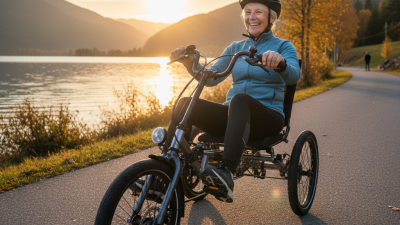

Choosing the best Trike For Adult in 2026 requires more than comparing prices and attractive photographs. Global buyers face different roads, climates, delivery conditions, and service networks. A stable trike on smooth European pavement may feel less confident on rough rural lanes or steep urban streets. Real riding experience matters.
This guide examines frame strength, wheel size, braking performance, seat comfort, steering control, battery options, carrying capacity, and maintenance access. It also considers rider height, balance needs, storage space, and daily distance. Measurements can reveal important details. A low step-through frame may simplify mounting, while wide rear wheels can improve confidence with groceries or work equipment. Small differences matter.
Reliable buying decisions should use manufacturer specifications, warranty terms, spare-parts availability, and independent user feedback. Buyers should confirm local road rules, electrical requirements, shipping conditions, and qualified service support before ordering. Safety equipment and professional assembly deserve attention, especially for heavier models. No single trike suits every adult. That is the honest part.
Some recommendations may need adjustment because product availability changes across regions. Online reviews can also reflect personal expectations rather than controlled testing. A careful buyer should test ride when possible, inspect welds and cables, and ask clear questions about replacement parts. This approach supports a practical comparison of comfort, value, durability, and everyday reliability. The strongest choice is not always the fastest or most expensive model. It is the trike that matches the rider, route, budget, and local support.
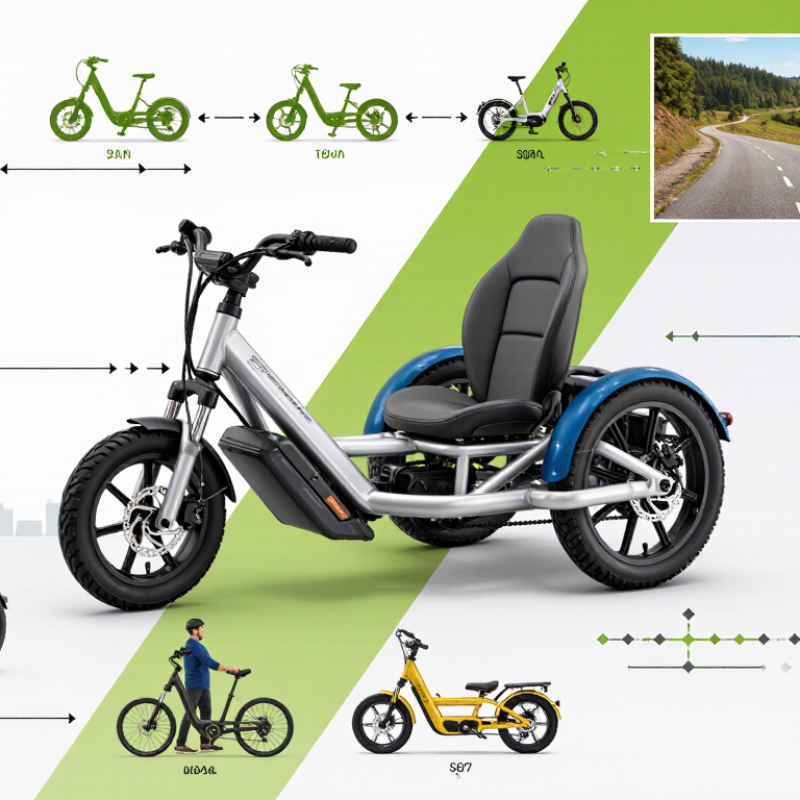
An adult trike is a pedal-powered bicycle with three wheels, usually two at the rear. It offers a stable platform for commuting, shopping, and relaxed outdoor riding. Unlike a standard bicycle, it does not require constant balance at slow speeds or during stops. That difference matters after knee surgery, during rehabilitation, or for riders who dislike wobbling. Still, a trike is not automatically easier. Its wider rear axle needs room, and sharp turns require controlled speed.
In 2026, suitable buyers include older adults, beginners, caregivers, and commuters carrying groceries. Riders with limited balance may feel more confident on a low step-through frame. A broad saddle, adjustable handlebar, reliable brakes, and visible reflectors deserve careful inspection. Test the trike with the intended load, not an empty basket. A loaded rear basket can change steering noticeably. I learned this through a poorly planned shopping ride; the first turn felt awkward and too wide. Experience like that is useful, but it shows why comfort claims need practical testing.
Buyers should measure doorways, storage spaces, cycle paths, and elevator entrances before ordering. Wheel size, gearing, tire width, and seat position affect comfort on hills and uneven pavement. Electric assistance can help, but it adds weight, charging needs, and maintenance decisions. People with joint, balance, or strength concerns should ask a qualified medical professional about fit and riding limits. A careful test ride remains more trustworthy than a polished specification sheet. Fit matters. Some riders may still prefer a bicycle. That is honest.
An adult trike is a three-wheeled bicycle designed for grown riders. Its three-wheel layout provides static stability when stopped, making it useful for riders who prefer extra balance support, a more upright seating position, or practical carrying capacity. Adults should select a trike according to rider height, storage needs, road conditions, and the intended use.
The chart compares common nominal wheel sizes used on adult trikes. The centimetre values are direct conversions from the international inch measurements: 1 inch equals 2.54 centimetres. Actual outside tyre diameter may vary slightly depending on tyre width and design.
Which adult trike types fit different riders and uses? The answer depends on balance, distance, cargo, and local roads.
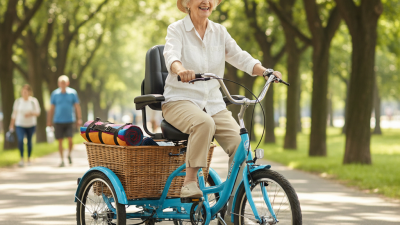
A traditional upright trike suits riders who want a stable seat, easy mounting, and relaxed neighborhood trips. It works well for older adults, beginners, and shoppers carrying light bags.
A recumbent trike places the rider lower, with a supportive backrest and wider seat. It can reduce wrist pressure during longer rides, but getting in and out may require more flexibility than expected.
Electric-assist trikes fit hills, longer commutes, and riders with limited leg strength. CONEBI’s 2024 European market profile reported about 5.1 million e-bikes sold in 2023. Trike-specific figures remain limited, which makes broad market data imperfect. Still, the trend supports demand for assisted mobility.
The World Health Organization reports that 31% of adults worldwide were insufficiently active in 2022. A trike can turn a short daily journey into practical exercise, though it is not automatically suitable for every body.
Tips: Measure doorways, storage areas, and turning space before buying. Test the lowest gear on a real slope. Check brake reach with both hands. For cargo users, compare load position, not only stated capacity. A rear basket feels convenient, but heavy weight can affect steering. Riders with knee, hip, or balance concerns should ask a qualified clinician or mobility specialist for individual advice.
2026 Best Trike For Adult Buying Guide For Global Buyers
Comfort should be judged during a real test ride, not from specifications alone. Sit for at least fifteen minutes. Check whether the seat supports your lower back without pressing your hips. Handlebars should remain easy to reach when your elbows are slightly bent. A low step-through frame helps riders with limited flexibility. Large tires can soften rough pavement, but they may also increase steering effort. That trade-off is easy to miss.
Stability depends on frame width, wheel placement, braking control, and rider position. A wider rear axle usually feels calmer during slow turns, while a lower center of gravity improves confidence. Test the trike on a gentle slope and make several tight turns. Avoid sudden steering. The frame may feel stable on flat ground but less predictable beside a curb. This is where many buying decisions become too optimistic.
Range needs practical measurement. Battery distance changes with rider weight, hills, wind, temperature, tire pressure, and assist level. Compare tested range under similar conditions, not only the maximum figure. Carrying capacity should include the rider, cargo, and accessories together. Place a full grocery bag in the rear basket and check whether steering remains smooth. A strong rack is useful, but excessive rear weight can reduce control. Leave space for imperfect days, because real riding rarely matches laboratory conditions. Also check charging access, replacement parts, warranty terms, and local road requirements before ordering.
The table below compares common adult trike configurations rather than specific brands. Figures are typical design ranges for current adult tricycles and electric-assist models; actual specifications vary by frame size, battery, rider weight, terrain, temperature, and local regulations.
| Adult Trike Configuration | Best Use Case | Comfort | Stability | Typical Wheel Setup | Typical Assist Range | Typical Carrying Capacity | Typical Rider Fit | Key Buying Considerations |
|---|---|---|---|---|---|---|---|---|
| Upright Delta Trike | Everyday riding, paved roads, neighborhood trips, and riders who prefer a familiar bicycle posture. |
★★★★☆ High |
★★★★☆ High |
One front wheel and two rear wheels; commonly 20-inch or 24-inch rear wheels. |
Not applicable without a motor. Electric versions commonly provide approximately 40–80 km (25–50 mi) per charge. |
Approximately 20–40 kg (44–88 lb) of cargo, excluding the rider. | Usually suitable for adults from approximately 155–195 cm (5 ft 1 in–6 ft 5 in), depending on adjustability. | Easy to understand and generally stable at low speed. Check rear-track width, turning radius, parking space, and whether the rear axle remains stable during fast cornering. |
| Recumbent Tadpole Trike | Long-distance leisure riding, touring, lower back support, and riders seeking a low center of gravity. |
★★★★★ Very high |
★★★★★ Very high |
Two front wheels and one rear wheel; common combinations include 20-inch front wheels with a 26-inch rear wheel. |
Not applicable without a motor. Electric versions commonly provide approximately 45–100 km (28–62 mi) per charge. |
Approximately 10–25 kg (22–55 lb), often using a rear rack, seat-side bags, or a trailer. | Often suitable for approximately 150–195 cm (4 ft 11 in–6 ft 5 in); adjustable leg length is important. | Excellent cornering stability and aerodynamic comfort. It sits low, so visibility in traffic, easy transfers, ground clearance, and weather protection should be assessed carefully. |
| Folding Delta Trike | Apartment storage, car transport, travel, narrow storage areas, and occasional urban riding. |
★★★★☆ High |
★★★★☆ High |
Usually one front wheel and two rear wheels; commonly 16-inch or 20-inch wheels. |
Not applicable without a motor. Electric versions commonly provide approximately 35–70 km (22–43 mi) per charge. |
Approximately 15–30 kg (33–66 lb), depending on frame and rear basket design. | Often suitable for approximately 150–190 cm (4 ft 11 in–6 ft 3 in), subject to seat and handlebar adjustment. | Confirm folded dimensions, folded weight, latch security, and lifting points. Smaller wheels can make potholes and curbs feel sharper than on full-size wheels. |
| Electric-Assist Utility Trike | Grocery shopping, commuting, hills, reduced pedaling strength, and regular transport of heavier loads. |
★★★★☆ High |
★★★★☆ High |
Commonly 20-inch wheels, sometimes paired with a 24-inch or 26-inch front wheel. | Approximately 40–100 km (25–62 mi) per charge under moderate conditions; high assist, hills, cold weather, and heavy loads reduce range. | Approximately 40–100 kg (88–220 lb) of cargo, depending on frame, brakes, rack, and axle rating. | Commonly suitable for approximately 155–195 cm (5 ft 1 in–6 ft 5 in); low-step frames may improve accessibility. | Compare battery capacity in watt-hours, motor placement, legal power and speed limits, brake type, charger voltage compatibility, replacement-battery access, and after-sales support. |
| Heavy-Duty Cargo Trike | Family transport, commercial deliveries, tools, farming, and frequent high-load use on stable roads. |
★★★☆☆ Moderate |
★★★★☆ High |
Commonly two front wheels with a cargo box, or two rear wheels with a reinforced rear platform; often 20-inch wheels. | Electric versions commonly provide approximately 30–80 km (19–50 mi) per charge, depending heavily on load and terrain. | Approximately 60–200 kg (132–441 lb) of cargo; always follow the manufacturer’s total weight rating. | Usually suitable for approximately 155–195 cm (5 ft 1 in–6 ft 5 in), with step-through access preferred for frequent loading. | Prioritize frame strength, load distribution, parking-brake performance, steering stability, tire load ratings, turning clearance, and total vehicle width before maximum payload. |
| Performance Recumbent Trike | Efficient recreational riding, touring, paved cycle paths, and experienced riders who value handling and speed. |
★★★★☆ High |
★★★★★ Very high |
Usually two front wheels and one rear wheel; commonly 20-inch wheels or a mixed 20/26-inch setup. |
Not applicable without a motor. Electric versions commonly provide approximately 45–100 km (28–62 mi) per charge. |
Approximately 8–20 kg (18–44 lb), excluding optional touring trailers. | Frequently suitable for approximately 150–195 cm (4 ft 11 in–6 ft 5 in), with precise leg-length adjustment required. | Offers efficient aerodynamics and predictable handling. Consider seat recline, steering sensitivity, suspension, turning technique, low-light visibility, and transport requirements. |
| All-Terrain Adventure Trike | Firm gravel, park paths, light trails, and riders who want more tire clearance and suspension than a standard city trike. |
★★★★☆ High |
★★★★☆ High |
Commonly 20-inch or 24-inch wheels with wider pneumatic tires and optional front or rear suspension. | Electric versions commonly provide approximately 35–80 km (22–50 mi) per charge. | Approximately 15–35 kg (33–77 lb) of cargo, depending on suspension and rack design. | Often suitable for approximately 155–195 cm (5 ft 1 in–6 ft 5 in), subject to frame geometry. | Suspension can improve comfort but adds weight and maintenance. Verify tire availability, mud clearance, water resistance, gear range, and braking performance on descents. |
Choosing an adult trike in 2026 requires more than comparing prices or advertised cargo capacity. Safety begins with stability, braking, and visibility where you actually ride. Test the trike on a quiet slope, then stop sharply without twisting the handlebars. A low step-through frame helps riders with limited flexibility, but it may reduce ground clearance. Three wheels feel secure, yet fast cornering can still lift an inside wheel. Take it slowly.
Measure doorways, elevator entrances, storage spaces, and the narrowest route near your home. Many adult trikes need more width than expected, especially with rear baskets or mirrors. Check the rider’s reach, saddle adjustment, pedal position, and maximum permitted load. A comfortable test ride should last long enough to reveal pressure points and awkward steering. Look for independent brakes, reliable lights, reflectors, a bell, and tires suited to local surfaces. Small details matter. Electric models also need protected charging equipment and clear electrical safety instructions.
Rules differ widely between countries, provinces, and cities, even for similar three-wheel designs. Before purchasing, confirm whether the vehicle is classified locally as a bicycle, mobility aid, or powered vehicle. That classification can affect speed limits, helmet requirements, lighting, registration, insurance, and permitted roads. Ask the transport authority or an authorized inspection service for written requirements. Do not rely on a seller’s “road legal” claim alone. Import paperwork, charger standards, battery labeling, and warranty support also deserve careful checking. I once underestimated storage width; the daily inconvenience was greater than the price difference. That mistake changed my buying checklist.
Choosing the best adult trike starts with your daily route, not a glossy specification sheet. Measure doorways, storage corners, and the narrowest gate before ordering. A 24- or 26-inch wheel may feel stable, yet smaller wheels can turn more easily in crowded streets. Test the seat height with both feet close to the ground. Your knees should remain slightly bent while pedaling. I have seen buyers focus on cargo capacity and overlook handlebar reach. That mistake can cause shoulder strain after a short ride. Consider frame width, turning radius, braking control, and the weight you can safely maneuver.
Tips: Ask for a real measurement chart. Check the assembled trike, not only the shipping carton. Confirm whether lights, fenders, a basket, and parking support are included. If possible, ride on a gentle slope and make several tight turns. A smooth showroom floor hides problems. Also inspect welds, tire condition, cable routing, and adjustment range. A reliable seller should explain maintenance intervals, replacement parts, warranty terms, and local service options clearly. Vague answers deserve caution.
Avoid buying only by price. A very low-cost model may require earlier repairs, but an expensive trike is not automatically safer. Look for a stable center of gravity, predictable steering, and brakes that respond evenly. Electric assistance needs extra checks: battery storage temperature, charging instructions, maximum supported load, and serviceability. Do not overload the rear basket. It can change balance quickly. Recheck your choice after a week of imagined use. Will it fit through your door? Can you roll it into storage? I sometimes underestimate these simple questions, and they matter more than polished advertising.