Why Choose an Electric Off Road Car for Your Next Adventure?
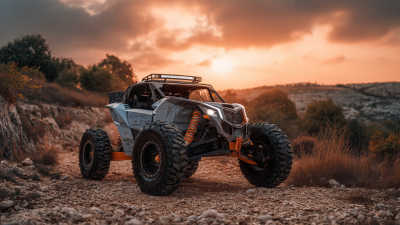
In recent years, the popularity of the Electric Off Road Car has surged among adventure enthusiasts. These vehicles offer thrilling experiences while also prioritizing sustainability. When exploring rugged terrains, an Electric Off Road Car provides the power and durability needed for any adventure. Imagine navigating rocky paths or forest trails with minimal environmental impact.
Electric Off Road Cars come equipped with advanced technology. They offer features such as real-time monitoring and enhanced traction control. This makes off-roading accessible to both seasoned adventurers and newcomers alike. Additionally, the quiet operation of electric motors allows for a more immersive experience in nature. However, it is essential to consider charging options and range limitations in remote areas.
Choosing an Electric Off Road Car can reflect a commitment to eco-friendliness. Nevertheless, potential buyers should reflect on their driving habits and adventure needs. Will the vehicle meet their expectations in challenging conditions? With thoughtful consideration, journeying into the wild can be both exciting and responsible.
Benefits of Electric Off-Road Cars in Outdoor Adventures
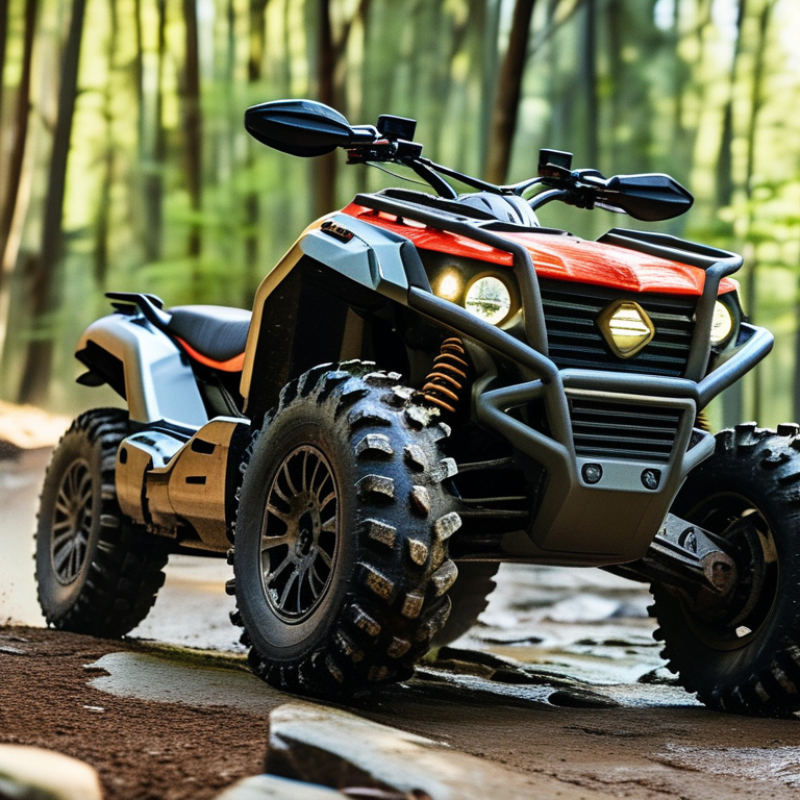
When exploring rugged terrains, electric off-road cars offer unique advantages. Their quiet operation allows for a more immersive experience with nature. You can hear birds singing and rustling leaves, creating a soothing atmosphere. Moreover, electric vehicles (EVs) are known for their impressive torque. This feature enables swift acceleration on uneven trails, providing an exhilarating ride.
Electric off-road cars use battery power, which significantly reduces emissions. This is beneficial for preserving the environment. Many outdoor enthusiasts are concerned about their carbon footprint. Electric vehicles help mitigate ecological impact while still delivering thrilling adventures. They often require less maintenance than traditional combustion engines. This is a plus for those who want to spend more time exploring and less time in the garage.
Yet, there are challenges to consider. Charging stations may be limited in remote areas. A long journey might require planning ahead for recharging. Additionally, extreme terrains can drain batteries faster than anticipated. Balancing adventure and battery life is crucial. Despite these issues, electric off-road cars are gaining popularity for good reasons. They align adventure with sustainability, encouraging thoughtful exploration.
Comparative Analysis: Electric vs. Gas-Powered Off-Road Vehicles
The off-road vehicle market has seen a significant rise in electric options recently. A 2022 report from the International Energy Agency highlights a 40% increase in electric vehicle sales year-on-year. Off-road electric vehicles benefit from high torque and instant acceleration. These features make steep climbs and rough terrains more manageable, enhancing the overall driving experience.
In comparison, gas-powered vehicles traditionally dominate in off-road performance. They typically excel in range and refueling speed. However, a recent study by the U.S. Department of Energy shows that electric off-road vehicles can now achieve ranges of over 200 miles on a single charge. This improvement diminishes the gap between the two types. Despite the advantages of electric vehicles, charging infrastructure in remote areas remains limited, posing a concern for adventurous drivers.
Additionally, electric vehicles tend to have lower maintenance costs. They require less frequent servicing and fewer replaceable parts. However, potential buyers must consider the initial investment, which can be higher for electric models. The transition to electric off-road vehicles presents challenges. Understanding these factors can help adventurers make informed decisions for their next journey.
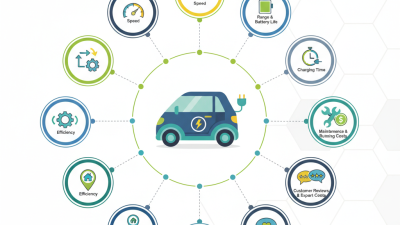
Comparative Analysis of Electric vs. Gas-Powered Off-Road Vehicles
Environmental Impact: Why Electric Off-Road Cars Are Eco-Friendly
Electric off-road cars are becoming popular for adventure enthusiasts. Their eco-friendly nature is a significant draw. Unlike traditional vehicles, they produce zero direct emissions. This reduces air pollution and minimizes the carbon footprint during outdoor activities.
Using electric cars means fewer toxic substances released into the soil and water. This benefit helps preserve natural habitats, crucial for local wildlife. However, the manufacturing of batteries does present environmental concerns. Sustainable practices in sourcing materials are necessary to address these issues.
While electric vehicles offer cleaner alternatives, charging infrastructure needs expansion. Locations in remote areas often lack sufficient charging stations. This can limit their usability on long trips. More development is needed to ensure that adventurers can rely on electric off-road cars easily.
Performance Metrics: Range and Torque of Electric Off-Road Vehicles
Electric off-road vehicles have become popular for their impressive performance metrics, especially in terms of range and torque. These metrics are pivotal for those seeking thrilling adventures in rugged terrains. Range measures how far you can travel on a single charge. For off-road driving, having a substantial range is essential. Many electric models now offer impressive distances, allowing for longer trips without frequent charging.
Torque is another critical factor. It provides the necessary power to navigate challenging environments. The high torque in electric vehicles ensures strong acceleration and the capability to climb steep hills. This feature is vital when traversing rocky paths or muddy trails. Drivers will experience an immediate boost without delay, enhancing the overall adventure.
**Tip:** Before heading out, check the charging stations along your route. This can save you from unexpected challenges.
When exploring new terrains, consider the weight of your gear. Carrying too much can impact range and torque performance. Striking a balance is vital. With each adventure, reflect on what you truly need. This habit can improve your experience and reduce wear on your vehicle.
Performance Metrics of Electric Off-Road Vehicles
| Model |
Range (miles) |
Torque (lb-ft) |
Battery Capacity (kWh) |
Weight (lbs) |
| Model A |
250 |
600 |
100 |
4000 |
| Model B |
300 |
500 |
120 |
4500 |
| Model C |
220 |
650 |
85 |
3800 |
| Model D |
280 |
700 |
110 |
4100 |
Cost Efficiency: Long-Term Savings of Electric Off-Road Cars vs. Traditional Options
Electric off-road cars are becoming increasingly popular for adventurous spirits. One key reason is long-term cost efficiency. While the initial price may seem higher, the operational costs are generally lower. Electric vehicles (EVs) have fewer moving parts. This leads to reduced maintenance needs. Owners often enjoy these savings over time.
Charging an electric off-road car is also cheaper than filling up a gas tank. The cost of electricity can be significantly lower than gasoline, especially if you charge at home. Off-road adventures often require significant fuel. This can strain budgets. However, EVs allow for more affordable exploration. Some might hesitate to switch due to range anxiety. Improvements in battery technology help alleviate this concern. It's worth considering that charging stations are becoming more common.
Even with these advantages, electric off-road cars may not be perfect for everyone. In remote areas, charging might be an issue. Also, terrain can impact battery performance. Drivers should assess their specific needs. Evaluating personal driving habits can reveal the best options. Choosing the right vehicle should be a thoughtful process. Each adventure is unique, and so are the vehicles that can support them.