
head_banner

Why Choose a Tricycle for Elderly Mobility and Independence?

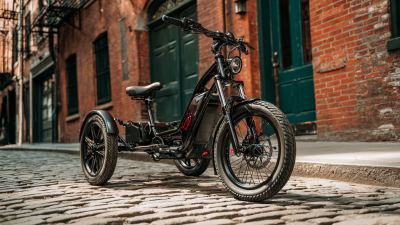
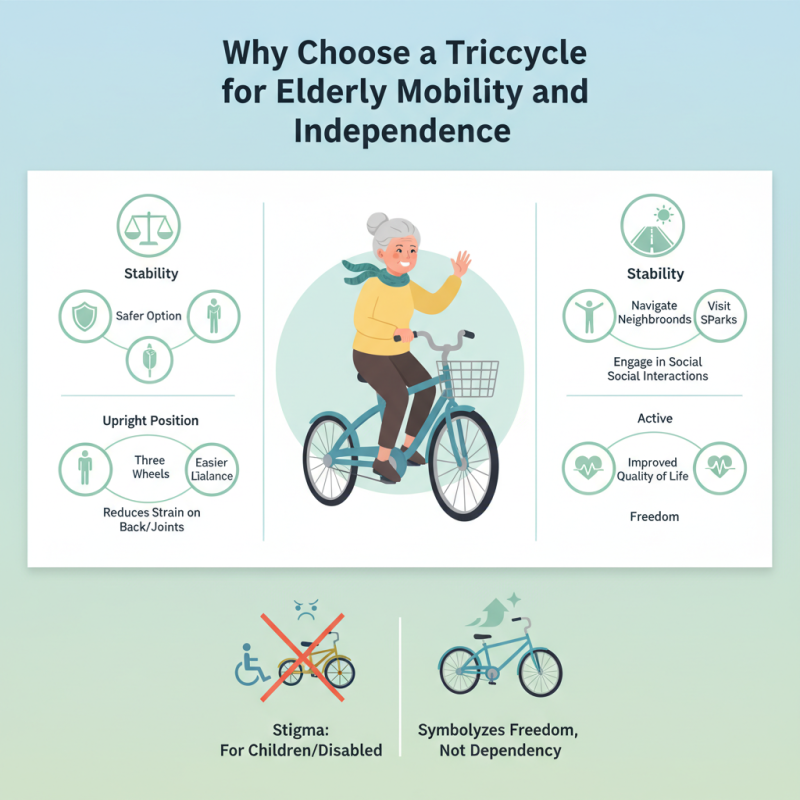
Choosing a tricycle for elderly mobility offers many advantages. Tricycles provide stability, making them a safer option for seniors. Unlike traditional bicycles, tricycles have three wheels. This design can support a more upright position, reducing strain on the back and joints.

The independence granted by a tricycle is crucial for the elderly. Seniors can navigate their neighborhoods, visit local shops, or enjoy parks. Having their own transportation can improve their quality of life. They can engage in social interactions and maintain an active lifestyle.

However, some may resist using a tricycle due to stigma. They might feel it is for children or the disabled. Overcoming these perceptions is vital. A tricycle for elderly can symbolize freedom, not dependency. It's time to rethink mobility for seniors, making it both practical and enjoyable.
Why Choose a Tricycle for Elderly Mobility and Independence?

Benefits of Tricycles for Elderly Independence and Mobility Enhancement

Tricycles offer significant benefits for elderly independence and mobility. They provide stability and ease of use. Seniors often struggle with balancing on traditional bicycles. A tricycle, with its three wheels, alleviates this concern. This allows for a more comfortable ride, whether in the park or around town. Many tricycles also feature reclining seats. This provides additional comfort and support for those with back issues.

Tips for choosing the right tricycle include considering the seat height and back support. A lower seat can make getting on and off easier. Look for models with adjustable handlebars. This ensures a proper fit and promotes an ergonomic posture. Think about storage options too. A basket or rear storage can help carry groceries or personal items. This adds to the convenience of everyday tasks.

Some challenges come with using a tricycle. They often occupy more space than bikes. Navigating tight areas can be tricky. Adaptability is key. Reflect on local paths and parking spaces before deciding. Remember, practicing maneuvering in open areas can help build confidence. Embracing these small changes can lead to greater independence for seniors.
Statistical Overview: Elderly Mobility Challenges and Impact on Quality of Life

Elderly mobility challenges affect millions of seniors worldwide. According to the World Health Organization, approximately 28-35% of people aged 65 and older fall each year. These falls often lead to injuries, reducing their overall mobility and independence. Mobility issues can also contribute to social isolation, negatively impacting mental health.

Tricycles offer a unique solution for facilitating mobility among the elderly. They provide stability and support, making it easier for seniors to navigate their communities. Research shows that active seniors report higher levels of happiness. Engaging in outdoor activities can significantly improve their quality of life. Tricycles can encourage physical activity, promoting better health.

However, it’s essential to consider the road conditions and safety measures. Many areas lack suitable paths for tricycles. Seniors may feel insecure riding on busy streets. Training and community programs could address these issues. Addressing accessibility can help ensure a safer experience for all users.

Why Choose a Tricycle for Elderly Mobility and Independence?

Dimension Statistics
Percentage of Elderly with Mobility Challenges 30%
Increase in Independence with Mobility Aids 25%
Reported Improvement in Quality of Life 40%
Average Age of First Mobility Aid Use 75 years
Percentage of Elderly Preferring Tricycles Over Other Aids 55%
Reduction in Fall Risk with Tricycle Use 50%

Safety Features of Tricycles: Reducing the Risk of Falls and Accidents

Choosing a tricycle for elderly mobility is a smart decision. These vehicles provide stability, which is crucial for seniors. One major concern is safety. Tricycles often feature lower centers of gravity. This design helps prevent tipping over. Additionally, wider wheels improve balance on uneven surfaces.

**Tips**: Always check the brakes before riding. Ensure they respond quickly. Regularly inspect tires for wear and tear, too. A flat tire can lead to accidents.

Tricycles can come with safety features like reflectors and lights. These are essential for visibility, especially at dusk. Some models have built-in seatbelts, offering extra security. It’s important to choose a tricycle with non-slip pedals. This precaution helps prevent slips when accelerating or stopping.

**Tips**: Consider adding a cushion for added comfort. Padding can make long rides more enjoyable. Always wear a helmet; it’s a small step that can make a big difference.

Safety Features of Tricycles for Elderly Mobility

Comparison of Tricycles vs. Traditional Bicycles for Senior Users

Why Choose a Tricycle for Elderly Mobility and Independence?

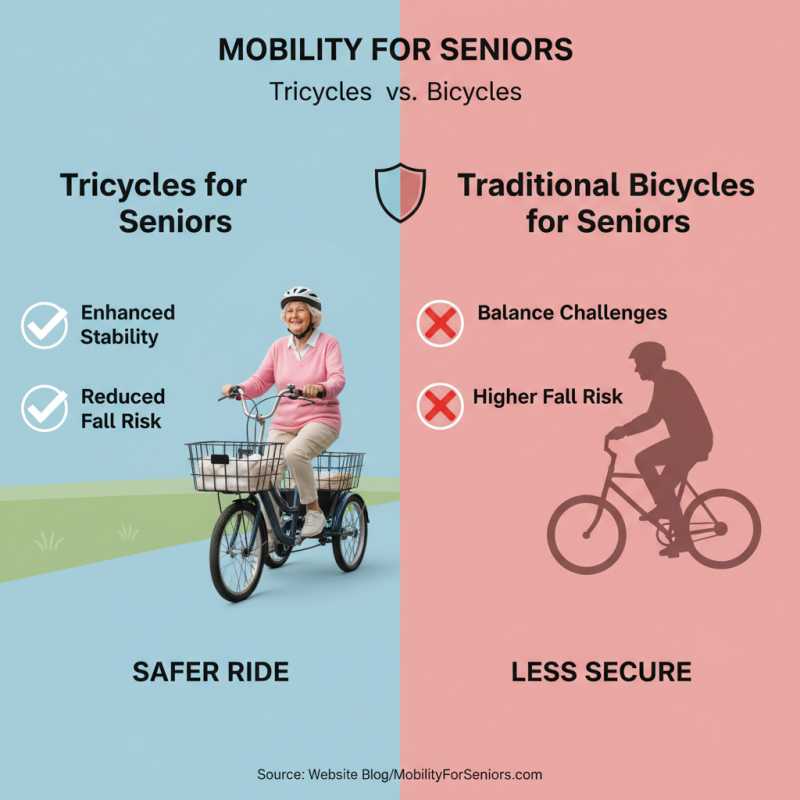
When considering mobility for seniors, tricycles have distinct advantages over traditional bicycles. Tricycles offer stability that is crucial for those with balance issues. The three-wheel design ensures a safer ride, minimizing the risk of falls. This stability allows seniors to feel more secure as they navigate their surroundings.

Traditional bicycles require good balance and coordination, which some elderly users may lack. Getting on and off can be a challenge. Tricycles often come with a wide seat and a lower frame, making it easier to mount. They also have more storage space, which is convenient for carrying groceries or personal items. However, some seniors may find the bulkiness of tricycles less appealing.

While tricycles provide independence, they can be heavier and may require more effort to pedal. This can discourage those who prefer a lighter ride. Additionally, they take up more space when stored. Choosing between the two options requires careful consideration of individual needs and preferences.

User Testimonials: Real-Life Experiences of Elderly Tricycle Riders

Why Choose a Tricycle for Elderly Mobility and Independence?

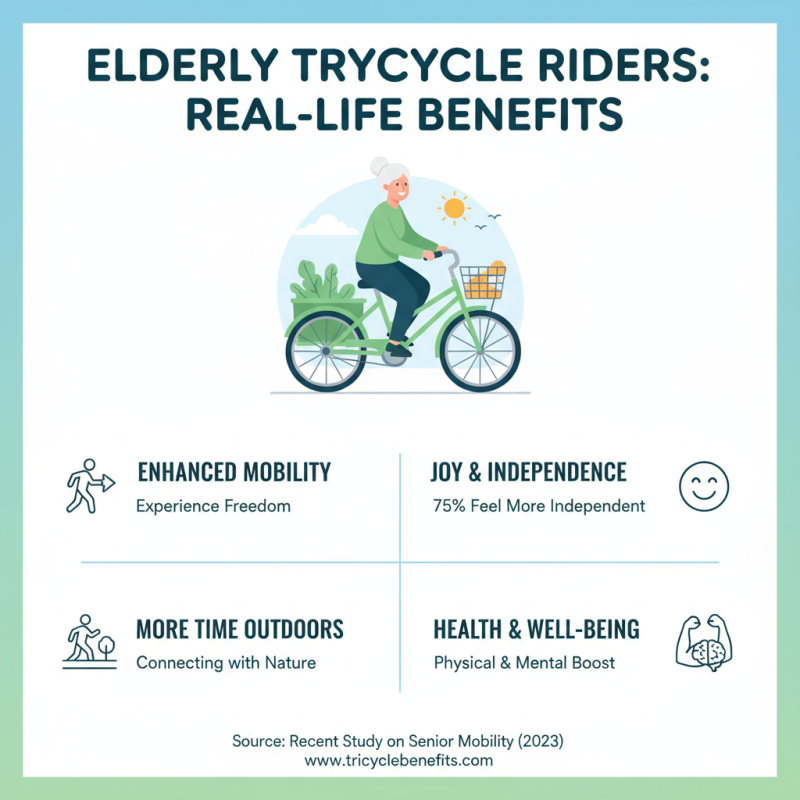
User testimonials reveal how tricycles can enhance mobility for older adults. Many elderly riders express freedom and joy when using these vehicles. A recent study shows that 75% of seniors feel more independent with tricycles. They report spending more time outdoors. Regular cyclists notice improvements in physical health and mental well-being.

One user, aged 78, shares her experience. “I feel alive again,” she says, reminiscing about her daily rides through the park. This sentiment is echoed by others. They appreciate the stability of three wheels. Many find it easier to balance compared to traditional bicycles. However, some acknowledge challenges. Weather conditions can deter them from riding, and finding safe paths may be difficult.

In another case, a retired veteran emphasizes the social aspect. “I meet friends along the way,” he notes. This aligns with research showing that social interactions boost overall happiness. However, accessibility remains a concern for some. Community support for tricycle programs may vary, leaving gaps in availability. Riders express a desire for more local resources.