What is an Adult Electric Trike and How Does it Work?
Adult electric trikes have gained popularity as a practical urban transportation solution. These vehicles offer an enjoyable and eco-friendly way to travel. They cater to various age groups, particularly those looking for a balance between exercise and assistance in mobility. Adult trikes electric come equipped with a motor that enhances pedaling efficiency, making rides smoother and less strenuous.
Understanding how adult electric trikes operate is crucial for potential users. The electric motor enables easier navigation through urban landscapes. Riders can enjoy the benefits of cycling without exerting too much effort. This makes them perfect for long distances or hilly terrains. However, users must consider factors such as battery life and weight capacity. Personal preferences and needs often lead to varying choices in models.
While adult electric trikes provide numerous advantages, they are not without limitations. Potential buyers should test various models to find the right fit. It's essential to ensure safety features are functional and comfortable. Evaluating personal use cases can help determine if an electric trike is the right investment. Ultimately, the growing trend in adult trikes electric is reshaping how many approach commuting and leisure riding.

What Defines an Adult Electric Trike: Key Features and Specifications
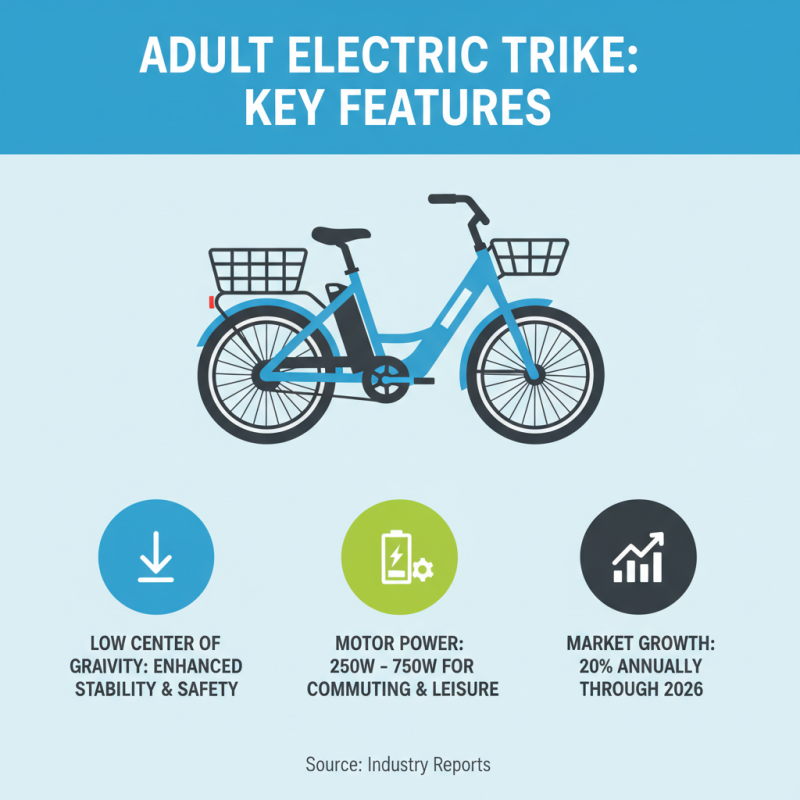
Adult electric trikes have become increasingly popular in recent years. These vehicles combine the stability of a tricycle with the efficiency of electric motors. A key feature is their low center of gravity, enhancing rider safety. Many models come with a 250W to 750W motor, providing sufficient power for commuting or leisure rides. According to industry reports, the global electric trike market is projected to grow by 20% annually through 2026.
Battery capacity is another crucial specification. Most adult electric trikes use lithium-ion batteries ranging from 36V to 48V. This allows for a range of 20 to 50 miles per charge, depending on rider weight and terrain. Users often report difficulties with battery longevity. Regular maintenance is vital to optimize performance. Additionally, some trikes feature adjustable seats and handlebars for personalized comfort.
Weight capacity is a significant consideration. Most adult electric trikes can support up to 350 pounds. However, achieving optimal load can affect speed and distance. Riders should be cautious not to exceed recommended limits. This may lead to reduced battery life and performance. Understanding these aspects is essential for potential buyers looking for reliable, efficient transportation options.
The Mechanism Behind Adult Electric Trikes: Understanding Their Operation
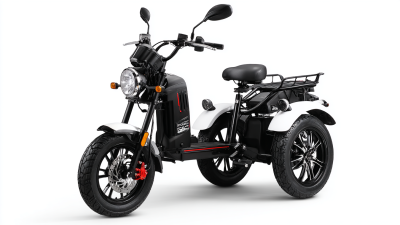
Adult electric trikes represent an innovative blend of comfort and functionality. Their design caters to diverse needs, making them an appealing choice for many. At the heart of these trikes is a robust electric motor, typically between 250 to 750 watts. This motor aids pedaling, allowing riders to tackle hills and long distances with ease. A report from the Electric Bike Association indicates that sales of electric tricycles have grown by over 40% in the last two years, highlighting their rising popularity.
Understanding the operation of an electric trike involves examining the key components. The battery, usually lithium-ion, provides power and impacts the overall range, often between 20 to 60 miles per charge. Riders must consider battery placement and weight distribution. Many trikes incorporate regenerative braking, which recharges the battery while slowing down. However, this feature's effectiveness can vary based on terrain and rider habits.
While electric trikes offer numerous advantages, challenges persist. Some users may find the weight cumbersome. Maneuvering can be tricky in tight spaces. Additionally, the question of maintenance arises; over time, components like the motor and battery may require attention. Industry data suggests that regular inspection improves longevity but can be overlooked by riders, which poses a risk. Understanding these intricacies is vital for making informed choices about adult electric trikes.
Battery Life and Charging: How Long Do Electric Trikes Last?
Electric trikes have gained popularity among adults for their ease of use and eco-friendliness. A vital aspect of these trikes is their battery life. Understanding how long an electric trike lasts per charge is important for users. Most electric trikes have a range of 20 to 50 miles on a single charge. This range depends on various factors, including terrain, rider weight, and battery capacity.
Charging an electric trike typically takes around 4 to 8 hours. It’s essential to properly maintain the battery for optimal performance. Factors such as temperature and charging habits can significantly affect battery longevity. In colder temperatures, batteries may drain faster than in mild weather. Moreover, using the trike frequently without full-charge cycles can lead to decreased efficiency over time.
User experiences show that battery performance can vary. Some riders notice a decline in range as the battery ages. Regular maintenance, such as avoiding extreme temperatures, can prolong battery life. However, not every user is aware of these practices. It's important to stay informed to ensure reliable transportation when needed.
Safety Features in Adult Electric Trikes: Ensuring a Secure Ride
When considering adult electric trikes, safety features are paramount. Many models come equipped with robust braking systems. Disc brakes ensure swift stops, crucial in emergency situations. Additionally, reflective strips enhance visibility during night rides. This helps prevent accidents in low-light conditions.
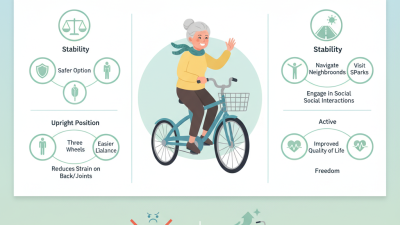
Another essential safety aspect is stability. Adult electric trikes usually feature three wheels, providing better balance compared to traditional bicycles. This design is especially beneficial for those who may struggle with coordination. Some trikes also have adjustable seats and handlebars, allowing for a custom fit. A proper fit can significantly enhance rider control and comfort.
While these safety features are commendable, they are not foolproof. Riders must remain vigilant. Regular maintenance is necessary to ensure all components function properly. Checking tire pressure, brake responsiveness, and battery levels are simple yet crucial tasks. Even the most advanced safety systems cannot replace cautious riding behavior. Ultimately, understanding and utilizing these features contribute to a more secure and enjoyable riding experience.