
Choosing the best Tricycle For Women in 2026 is about more than balance. Seat height, step-through access, braking, gearing, and cargo capacity shape every ride. A weekly grocery run may call for a sturdy rear basket; a narrow garage may favor a folding frame. Small details matter.
PeopleForBikes’ 2024 U.S. Bicycling Participation Report estimates that 112 million Americans rode a bicycle at least once in 2023. That figure describes cycling broadly, not tricycle sales, so it should not be treated as proof of demand for women’s trikes. The World Health Organization reports that one in six people worldwide will be aged 60 or older by 2030. That context makes accessible, confidence-building designs worth examining, while recognizing that riders’ needs differ at every age. John Howard, an Olympic cyclist and cycling coach, is often quoted: “The bicycle is a curious vehicle. Its passenger is its engine.” His observation is a useful reminder to assess fit and effort, not appearance alone.
Still, three wheels do not guarantee comfort or safety. Frame geometry, wheelbase, turning radius, and assembly quality can change how a trike handles on a real path. A model that feels steady on a flat showroom floor may behave differently on a slope or tight corner. This guide compares practical options, explains trade-offs, and identifies questions to ask before buying. The best choice is the one that fits the rider, route, and storage space—not simply the most popular model.
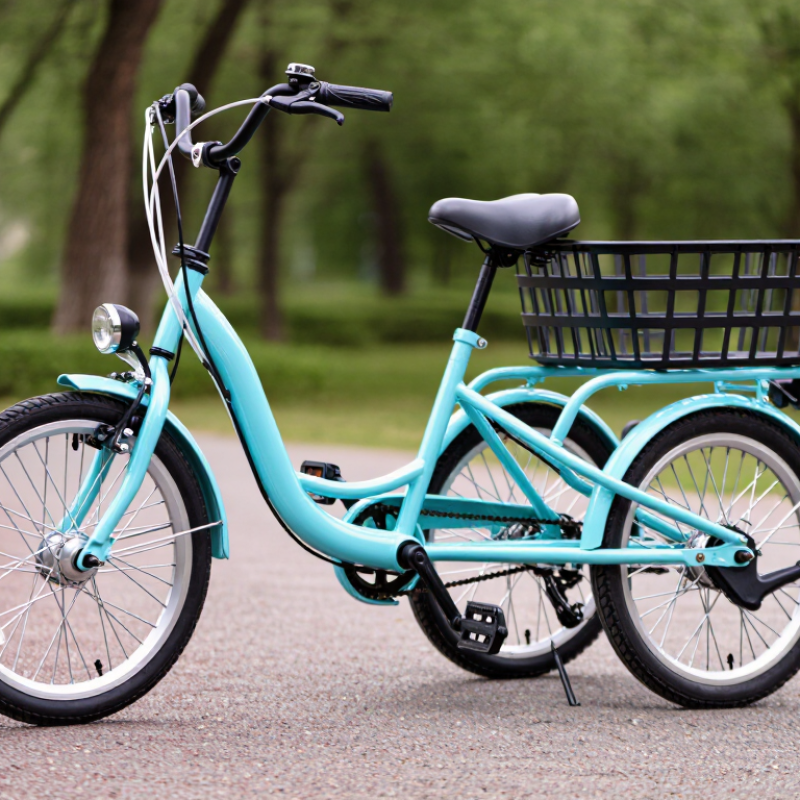
In 2026, a “women’s tricycle” is better defined by fit and use than by a pink frame or gendered label. There is no universal technical standard for the category. Look for a low step-through frame, reachable handlebars, and a saddle that supports a comfortable upright position. Check that the rider can stop and put both feet down safely. Fit matters. A wide rear track can feel reassuring, but it does not prevent tipping during sharp turns or on uneven ground. Test it loaded.
Practical design matters more than decoration. A stable cargo basket, easy-to-use brakes, and gearing suited to local hills can make everyday rides less tiring. PeopleForBikes’ 2023 U.S. Bicycling Participation Report estimated that 112 million Americans rode a bicycle in 2022; it does not isolate tricycle riders, so that figure signals broad participation, not trike demand. The World Health Organization’s 2020 activity guidelines recommend 150–300 minutes of moderate-intensity activity weekly for adults. A tricycle may help make regular movement accessible, but comfort and safe handling vary by rider. I would not assume three wheels automatically mean safer. Take a short test ride, turn slowly, and check the brakes before carrying groceries.
Women’s tricycles come in several practical styles. Upright leisure models have a familiar saddle and swept-back handlebars, making short rides and steady neighborhood trips feel approachable. Folding tricycles can fit into tighter storage spaces, though their hinges and folded size deserve a close check. Recumbent designs place the rider lower, with a supportive seat and forward pedals. They may feel comfortable, but turning and mounting can take practice.
Electric-assist tricycles add motor support for hills or heavier loads. Cargo models use baskets or rear platforms for groceries, bags, or garden supplies. The PeopleForBikes 2023 U.S. Bicycling Participation Report estimated that 112 million Americans rode a bicycle at least once in 2022. That figure covers bicycles broadly, not tricycles, so it cannot tell us which trike type women prefer. The category labels can mislead, too: seat height, steering feel, and carrying capacity matter more than a “women’s” label alone.
Tips: Test the tricycle on a quiet, flat route before buying. Check that both feet reach the ground comfortably, then try a slow turn with a light basket load. I would not judge stability from a showroom ride alone; real pavement can feel quite different.
How to choose: These are representative wheel sizes, not fixed standards; sizes vary by model. The right tricycle depends on rider fit, intended use, and storage needs. Adjustable fit matters more than a women-specific label.
A comfortable fit matters more than a long feature list. Check that the step-through frame allows easy mounting, and that the handlebars sit within relaxed reach. Your knees should remain slightly bent when the pedals are at their lowest point. A quick test ride can reveal pressure on your wrists or an awkward saddle height. Small discomforts often become obvious after several blocks.
Look closely at the brakes, gears, and tires. Reliable brakes should feel predictable, even when the basket carries groceries. Multiple gears help on hills, though extra complexity is not useful for every rider. Wider tires can feel steadier on uneven paths, but tire pressure still affects comfort. Check that the seat adjusts easily. A tricycle that fits one woman may feel cramped to another; body proportions and riding habits vary.
Stability deserves special attention. A wide rear axle can support a steady ride, but a tricycle may handle tight turns differently from a two-wheeled bicycle. Slow down before corners. Practice in an open, quiet area, especially with a loaded cargo basket. Also consider the tricycle’s weight, storage space, and turning radius. Is it easy to lift over a doorstep? Maybe not. I would not choose by appearance alone; a short test ride with the intended load can expose details a product description misses.
The top 2026 women's tricycles are best compared by fit, stability, carrying capacity, and ease of storage—not appearance alone. An upright comfort model usually offers a wide saddle, swept-back handlebars, and a step-through frame. These features can make mounting easier, though a soft seat may feel less supportive on longer rides.
Folding tricycles suit small homes or car trunks, but their hinges and compact frames can add weight or affect the ride. Convenient, but not effortless. Electric-assist models help on hills and longer routes. Check how smoothly the motor starts, whether the controls are easy to reach, and how far the battery realistically travels with a rider and cargo. Published range figures may assume ideal conditions.
For groceries, compare basket size and placement. A low rear basket can keep heavy items steady, while a front basket may affect steering when loaded. Test the brakes on a gentle slope, and check that the seat height lets your feet reach the ground comfortably.
Measure storage space too. Fit is personal. A short test ride over uneven pavement can reveal rattles, awkward turning, or a frame that feels less stable than it looked online.
Which Women’s Tricycle Best Fits Different Riders and Uses?
The right tricycle depends on fit, terrain, and what you plan to carry. For short, flat errands, a step-through frame, upright handlebars, and a rear basket make mounting and loading easier. Riders with limited hand strength may prefer easy-to-reach brake levers and simple gearing. For longer rides or mild hills, multiple gears and a supportive seat can matter more than a large basket. Try turning slowly in a clear space; a tricycle handles corners differently from a two-wheel bicycle. Small detail. It matters.
PeopleForBikes’ 2024 U.S. Bicycling Participation Report estimated that 112 million Americans rode a bicycle in 2023, about 35% of the population. That figure covers bicycles broadly, not women’s tricycles specifically, so it cannot identify a universal best model. It does show how varied cycling needs can be. A rider commuting on smooth paths may prioritize lights, fenders, and reliable cargo space, while someone riding for relaxed exercise may value comfort and an easy-to-adjust seat.
For activity goals, the World Health Organization’s 2020 guidelines recommend 150–300 minutes of moderate aerobic activity weekly for adults. A comfortable tricycle may help make regular riding more manageable, but fit still needs a real-world check. Confirm that both feet can reach the ground while stopped, and test the brakes with the intended load. One imperfect truth: a wide seat may feel soft in a showroom, yet rub after a longer ride.
The best adult tricycle depends on the rider’s balance, comfort, route, storage needs, and ability to mount and dismount. These general categories are suitable for riders of any gender; frame fit and adjustability matter more than gender-specific labels.
| Tricycle Type | Best Fit | Typical Features | Best Uses | Advantages | Things to Consider |
|---|---|---|---|---|---|
| Upright adult tricycle | Riders who prefer a familiar seated position and want three-wheel support at low speeds | Upright handlebar and saddle; commonly available with different wheel sizes, gearing, and rear baskets | Short neighborhood rides, errands, and paved paths | Familiar riding posture; a rear basket can carry everyday items; does not require balancing like a two-wheel bicycle | Check the step-through height, saddle adjustment range, overall width, and maximum load. Turning and maneuvering can require more space than on a two-wheel bicycle. |
| Low-step or step-through adult tricycle | Riders who find a high top tube difficult to step over, including those with limited hip or knee mobility | Low frame opening; usually an upright riding position; may be offered with one or more gears | Relaxed local rides and everyday errands | Easier to mount and dismount than a high-step frame; practical for riders who value an accessible frame design | Low-step describes frame access, not a guaranteed fit. Confirm the actual step-over height, reach to the handlebars, and ease of getting on and off. |
| Multi-speed adult tricycle | Riders who encounter hills, headwinds, or varied routes | Several selectable gear ratios; available in upright and step-through frame styles | Mixed terrain and routes with gradual inclines | Lower gears can make starting and climbing easier; higher gears can be useful on level stretches | Gear count alone does not indicate climbing ability. Ask about the gear range, test shifting, and remember that three-wheel handling differs from two-wheel handling on slopes. |
| Folding adult tricycle | Riders with limited storage space or who need to transport a tricycle in a vehicle | Hinged or folding frame; compacted dimensions and folding method vary by design | Apartment storage, car transport, and occasional recreational rides | Can be easier to store or transport than a non-folding tricycle when folded dimensions suit the available space | Check folded size, weight, lifting points, folding steps, and the manufacturer’s load limit. Folding designs may feel different in weight and handling. |
| Recumbent tricycle | Riders seeking a reclined seat with back support or a different pressure distribution from an upright saddle | Low, reclined seating; pedals positioned in front; designs may have two wheels at the front or rear | Longer recreational rides and riders who prefer a supported backrest | Offers a distinct seating position and a low center of gravity; some riders find the seat comfortable for longer outings | Seat height can make getting on and off harder for some riders. Low visibility in traffic, turning technique, and storage space should be considered. |
| Electric-assist adult tricycle | Riders who want motor assistance for starts, hills, or longer trips | Electric motor, battery, and pedal-assist or other control options, depending on the model | Commuting, errands, and routes where assistance may reduce pedaling effort | Assistance can help with acceleration and climbing; useful when carrying cargo or managing a demanding route | Battery range depends on terrain, rider and cargo weight, assist setting, temperature, and battery condition. Check total weight, charging needs, braking, and local e-bike rules. |
| Heavy-duty or cargo adult tricycle | Riders who regularly carry groceries, equipment, or other bulky items | Reinforced frame or larger cargo area on some designs; published load limits vary considerably | Shopping trips, practical transport, and carrying loads on suitable routes | Designed around carrying capacity; a stable parking position can make loading convenient | Never assume capacity from appearance. Check the stated rider-and-cargo limit, cargo-area dimensions, braking performance, and how a loaded tricycle handles. |
How to choose: Start with a comfortable step-through height, suitable saddle and handlebar adjustment, and a load rating that covers both rider and cargo. Test ride on a safe, level area before using the tricycle on roads or slopes. Specifications and handling vary by model, so verify the manufacturer’s details before buying.